
'%20d='m0%200%2016%2011h61%2061%2061%2061%2060L47%2037h61%2061%2060%2061L16%2063h61%2061%2061%2061%2060L47%2089h61%2061%2060%2061L16%20115h61%2061%2061%2061%2060L47%20141h61%2061%2060%2061L16%20166h61%2061%2061%2061%2060L47%20192h61%2061%2060%2061L16%20218h61%2061%2061%2061%2060z'/%3e%3c/svg%3e)



Early Signs of Arthritis in Dogs: 10 Changes Worth Noticing
Arthritis rarely starts with a limp. Here are the quiet early signs, how to document them for your vet, and the simple home changes that help right away.
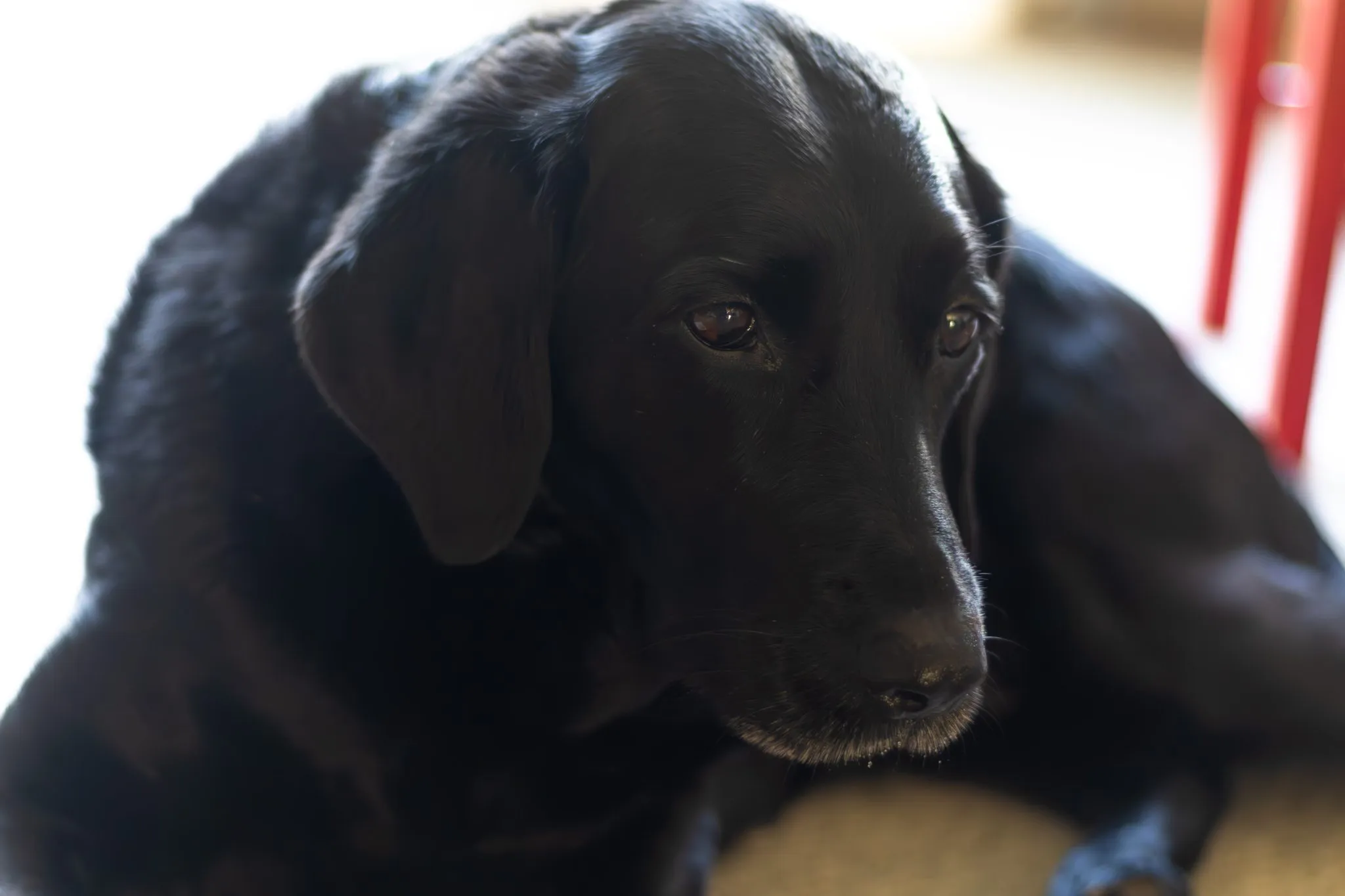
This article is general information, not veterinary advice. If your pet seems unwell or you are worried, call your vet.
If your dog has started taking a moment before jumping on the sofa, or trails behind on walks they used to lead, it’s tempting to put it down to “just getting older.” Sometimes it is. But stiffness and slowing down are also the most common early signs of osteoarthritis, a long-term condition in which joint cartilage wears down and the joint becomes inflamed and painful.
Dogs are good at working around pain, so arthritis often goes unnoticed until it’s well established. The good news: caught early, it’s very manageable. Here’s what to look for.
10 early signs of arthritis
1. Stiffness after rest
Your dog is slow to get up in the morning or after a nap, then “warms up” after a few minutes of moving around. This is often the very first sign.
2. Hesitating at stairs, cars and furniture
Pausing at the bottom of the stairs, asking to be lifted into the car, or no longer jumping onto the bed. Climbing and jumping require joints to bend fully under load, which hurts when they’re inflamed.
3. Changes in how they walk
Shorter steps, a stiff-legged gait, a slight head bob, or “bunny hopping” with both back legs moving together. Dogs shift weight away from sore joints without you noticing in real time.
4. Slower walks and shorter play
Quitting fetch early, lagging behind, or lying down partway through a walk. Many owners read this as laziness or age when it’s discomfort.
5. Licking a joint
Persistent licking at a wrist, elbow, knee or hip, sometimes leaving reddish-brown saliva staining on light fur.
6. Mood changes
A sociable dog who becomes grumpy, withdrawn, or snaps when another pet bumps into them. Pain changes behavior. If your dog suddenly dislikes being handled, don’t punish it. Get it checked.
7. Sensitivity to touch
Flinching or moving away when you brush or stroke over the hips, back or elbows, or when you lift a paw for nail trims.
8. Slipping on smooth floors
Feet sliding out on tile or wood, or scrambling to stand up. Weak or sore legs struggle to grip.
9. Muscle loss
A bonier feel over the hips or shoulders, or thinner back legs. When a dog uses a leg less, the muscles shrink, which makes the joint less stable.
10. Weight gain
Less activity on the same amount of food adds up. Extra weight puts more load on painful joints, which leads to even less activity.
How to build a picture for your vet
Arthritis signs often disappear in the exam room, where adrenaline masks stiffness. A little homework makes the appointment far more useful.
- Film it. Take a short video of your dog walking toward and away from you on flat ground, getting up from lying down, and tackling stairs. Repeat every week or two so you can compare.
- Keep a simple log. Note good and bad days, what your dog did the day before, and anything that seems to make stiffness better or worse.
- Note specifics. Which leg, which joint, and what activity triggers it.
What your vet may recommend
Your vet will examine your dog’s joints, watch them move, and may suggest X-rays to confirm arthritis and rule out other causes. Management usually combines several approaches:
- Pain relief. Vet-prescribed anti-inflammatories and other medications, including newer injectable options, can make a big difference to comfort and mobility. Your vet will advise on blood tests for long-term use.
- Weight management. Keeping your dog lean is one of the most effective things you can do for sore joints. Ask your vet for a target weight and a measured feeding plan.
- Controlled exercise. Regular, low-impact activity keeps joints moving and muscles strong. Your vet may suggest specific exercises or a referral for physiotherapy or hydrotherapy.
- Supplements. Omega-3 fatty acids from fish oil have the strongest evidence. Check with your vet before starting anything.
Never give human painkillers. Ibuprofen, naproxen, paracetamol (acetaminophen) and aspirin can cause stomach ulcers, kidney failure or liver damage in dogs.
Home changes that help right away
You don’t need a diagnosis to make your home easier on your dog’s joints:
- Add grip. Lay rugs or rubber-backed runners along the routes your dog uses most, especially near the bed, bowls and doors.
- Keep nails short. Long nails change how a dog stands and reduce traction.
- Offer a ramp or steps for the car and favorite furniture, and reward your dog for using them.
- Upgrade the bed. A supportive, thick foam bed with a low entry is easier to get in and out of.
- Split the walks. Two or three shorter walks on level ground are kinder than one long hike. Start slowly to warm up and finish slowly.
- Swap high-impact games like ball chasing and jumping for sniff walks, scent games and food puzzles, which tire the brain without pounding the joints.
- Measure meals. Weigh or level-scoop food rather than estimating, and count treats in the daily total.
When to call the vet
Book an appointment if you notice any of the signs above, particularly if they’re getting more frequent. See your vet promptly, or the same day, if your dog:
- Yelps, suddenly limps, or won’t put weight on a leg
- Can’t get up, or collapses
- Refuses stairs or the car entirely when they managed before
- Shows a sudden change in temperament or stops eating
- Licks a joint until the skin is raw or broken
Sudden lameness can mean an injury such as a torn ligament rather than arthritis, and needs a proper examination.
Questions people ask
No. It's more common with age, but dogs can develop arthritis earlier because of joint conditions like hip or elbow dysplasia, old injuries, or carrying extra weight.
No. Human painkillers such as ibuprofen, naproxen and paracetamol (acetaminophen) can cause serious stomach, kidney or liver damage in dogs. Only use pain relief prescribed by your vet.
Yes, in the right form. Regular, gentle, low-impact exercise helps keep joints moving and muscles strong. Short, frequent walks on even ground usually work better than one long outing or intense play.
Omega-3 fatty acids (EPA and DHA from fish oil) have the most supporting evidence for joint health in dogs. Results for glucosamine and chondroitin are mixed. Ask your vet about products and doses, especially if your dog takes other medication.
Osteoarthritis can't be reversed, but it can be managed well. Pain control, weight management, exercise and home adjustments can keep many dogs comfortable and active for years.
Keep reading
Itchy Dog? 8 Common Skin Allergies and Look-Alike Problems
Fleas, pollen, food and the infections that follow all cause scratching. Here's how to spot the likely culprit, what helps at home, and when your vet needs to step in.
5 min read

Holiday Safety for Dogs and Cats: Food, Plants, Decorations and Guests
The holidays bring rich food, glittering decorations and a full house. Here's how to keep your dog and cat safe and calm through the season, and what to do if something goes wrong.
5 min read

How to Tell if Your Cat Is in Pain
Cats are experts at hiding discomfort. Learn the subtle signs in behavior, posture and facial expression, and what to do when something seems off.
4 min read