
'%20d='m0%200%2016%2011h61%2061%2061%2061%2060L47%2037h61%2061%2060%2061L16%2063h61%2061%2061%2061%2060L47%2089h61%2061%2060%2061L16%20115h61%2061%2061%2061%2060L47%20141h61%2061%2060%2061L16%20166h61%2061%2061%2061%2060L47%20192h61%2061%2060%2061L16%20218h61%2061%2061%2061%2060z'/%3e%3c/svg%3e)



Urinary Problems in Cats: Common Causes, Warning Signs and Prevention
Straining, frequent trips and accidents outside the box can mean several different things, and one of them is an emergency. Here's how to tell them apart and keep your cat's bladder healthy.
This article is general information, not veterinary advice. If your pet seems unwell or you are worried, call your vet.
Cats are quiet about discomfort, and urinary problems are no exception. The clues are usually in the litter box: more visits, smaller clumps, a little blood, or an accident on the bath mat. These signs are common, and most causes are manageable. But one of them, a urinary blockage, can become life-threatening within hours to a day or two, so it’s worth knowing exactly what to watch for.
Vets often group these conditions under the umbrella term FLUTD (feline lower urinary tract disease). The signs overlap a lot, so only your vet can tell which one your cat has, usually with a urine test and sometimes X-rays or an ultrasound.
The emergency first: urethral obstruction
What it is: The urethra, the tube that carries urine out of the body, gets plugged by crystals, mucus or a small stone. Urine can’t get out, toxins and potassium build up in the blood, and the bladder can be damaged.
Who’s at risk: Mostly male cats, because their urethra is long and narrow.
Signs: straining in the litter box with little or no urine, repeated trips, crying, licking the genitals, hiding, vomiting, lethargy and a tense, painful belly. Some cats look as if they’re constipated.
What to do: Go to your vet or an emergency clinic immediately, day or night. Don’t wait to see if it passes.
Common urinary conditions
Feline idiopathic cystitis (FIC)
Bladder inflammation without an infection or another identifiable cause. It’s the most common reason for urinary signs in young and middle-aged cats. Stress plays a big role: house moves, new pets, visitors, renovations, tension between cats, or simply a change in routine can trigger a flare. Low water intake and being overweight or inactive add to the risk.
Typical signs: straining, frequent small amounts of urine, blood in the urine, peeing outside the box. Flares often settle within a week or so, but they can recur, and male cats with FIC can become blocked.
Bladder stones
Mineral stones form in the bladder, most commonly struvite or calcium oxalate. Struvite stones can sometimes be dissolved with a prescription diet; calcium oxalate stones can’t and usually need to be removed. Your vet will tell you which type your cat has and how to prevent new ones.
Crystals in the urine
Microscopic crystals show up on a urine test. They’re not always a problem on their own, but in male cats they can combine with mucus to form plugs. More water and, if your vet recommends it, a urinary diet help keep urine dilute.
Urinary tract infections
True bacterial infections are less common than many people assume, especially in younger cats. They’re more likely in older cats and those with kidney disease, diabetes or hyperthyroidism. A urine culture confirms an infection and guides the right antibiotic. Never use leftover medication.
When the clue is bigger clumps
Not every urinary change is a bladder problem. If clumps in the litter box are suddenly larger or more numerous and your cat is drinking more, think about whole-body conditions:
- Chronic kidney disease, common in older cats, often shows up as increased thirst and urination, weight loss and a fussier appetite.
- Diabetes typically causes increased thirst and urination, a big appetite and weight loss.
- Hyperthyroidism can cause increased thirst, weight loss despite a good appetite, and restlessness.
All of these need blood and urine tests. Earlier diagnosis means more treatment options.
Peeing outside the box: medical or behavioral?
A cat who suddenly stops using the litter box is often telling you something hurts. Always rule out medical causes first. Once your vet gives the all-clear, look at the setup: is the box too small, too dirty, in a noisy spot, or hard for an older cat to climb into? Is another cat guarding it?
Prevention at home
Get more water in
- Feed some or all of the diet as wet food, or add a little water to meals if your cat accepts it.
- Offer water in several places, away from food and the litter box.
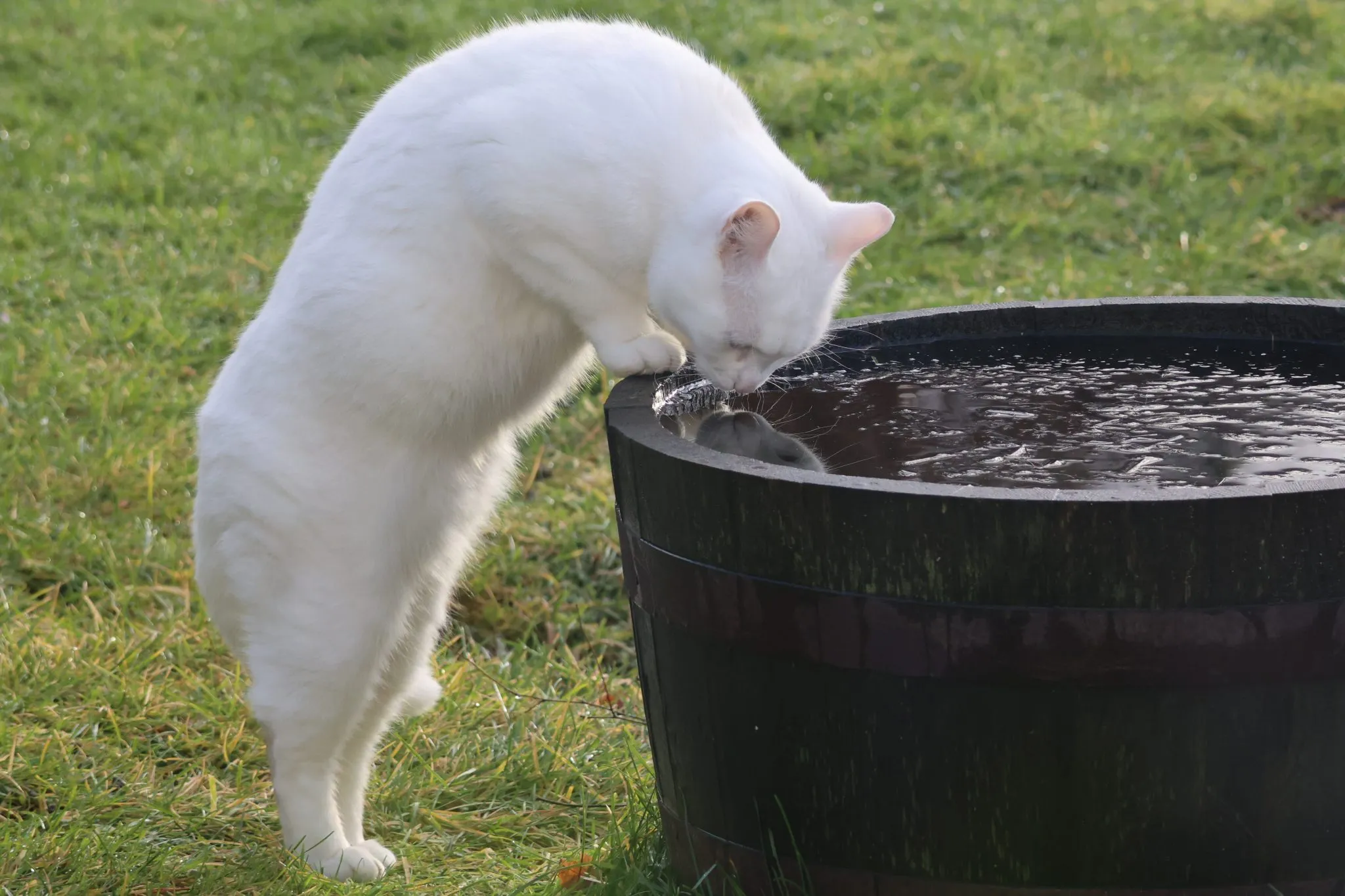
- Try wide, shallow bowls and a water fountain. Some cats prefer moving water.
Make the litter box easy
- One box per cat, plus one, in different quiet locations.
- Large boxes: at least one and a half times your cat’s body length.
- Unscented clumping litter, scooped daily, with the box washed regularly using mild, unscented soap.
- Low-entry boxes for older or arthritic cats.
Lower stress
- Keep routines predictable: meals, play and quiet time at similar times.
- Play with your cat every day. Two short wand-toy sessions are a good start.
- Give cats places to climb, hide and rest away from other pets and visitors.
- In multi-cat homes, provide separate food, water, litter and resting spots.
Watch weight and diet
Keep your cat at a healthy weight, use measured meals rather than a bottomless bowl, and change foods gradually over 7 to 10 days. If your vet prescribes a urinary diet, stick with it closely. Adding other foods can undo its effect.
When to call the vet
Emergency, go now: straining with little or no urine (especially in a male cat), crying in the box, vomiting with urinary signs, or a swollen, painful belly.
Call your vet the same day: blood in the urine, frequent painful trips, peeing outside the box after years of good habits, or a cat licking its genitals more than usual. For male cats, err on the side of being seen quickly.
Book an appointment: drinking or urinating more than usual, larger clumps, or weight loss, particularly in a cat over seven years old.
Questions people ask
No. In young and middle-aged cats, feline idiopathic cystitis is far more common. Bacterial infections are more likely in older cats, especially those with kidney disease, diabetes or an overactive thyroid.
Male cats have a longer, narrower urethra, so crystals, mucus or small stones can lodge there and stop urine flow. A blocked cat is a medical emergency.
The evidence in cats is limited. Hydration, stress reduction and the diet your vet recommends matter far more. Ask before adding any supplement, especially if your cat is on a urinary diet.
Not necessarily, but moisture matters. Cats eating mostly wet food take in more water and produce more dilute urine, which helps many cats prone to bladder problems.
Keep reading

Holiday Safety for Dogs and Cats: Food, Plants, Decorations and Guests
The holidays bring rich food, glittering decorations and a full house. Here's how to keep your dog and cat safe and calm through the season, and what to do if something goes wrong.
5 min read
How to Tell if Your Cat Is in Pain
Cats are experts at hiding discomfort. Learn the subtle signs in behavior, posture and facial expression, and what to do when something seems off.
4 min read

Itchy Dog? 8 Common Skin Allergies and Look-Alike Problems
Fleas, pollen, food and the infections that follow all cause scratching. Here's how to spot the likely culprit, what helps at home, and when your vet needs to step in.
5 min read