
'%20d='m0%200%2016%2011h61%2061%2061%2061%2060L47%2037h61%2061%2060%2061L16%2063h61%2061%2061%2061%2060L47%2089h61%2061%2060%2061L16%20115h61%2061%2061%2061%2060L47%20141h61%2061%2060%2061L16%20166h61%2061%2061%2061%2060L47%20192h61%2061%2060%2061L16%20218h61%2061%2061%2061%2060z'/%3e%3c/svg%3e)



Designing a Cat-Friendly Home: Vertical Space and Hiding Spots
Cats feel safest when they can climb, perch and tuck away. How to plan perches, routes and hideouts that work in apartments, houses and multi-cat homes.
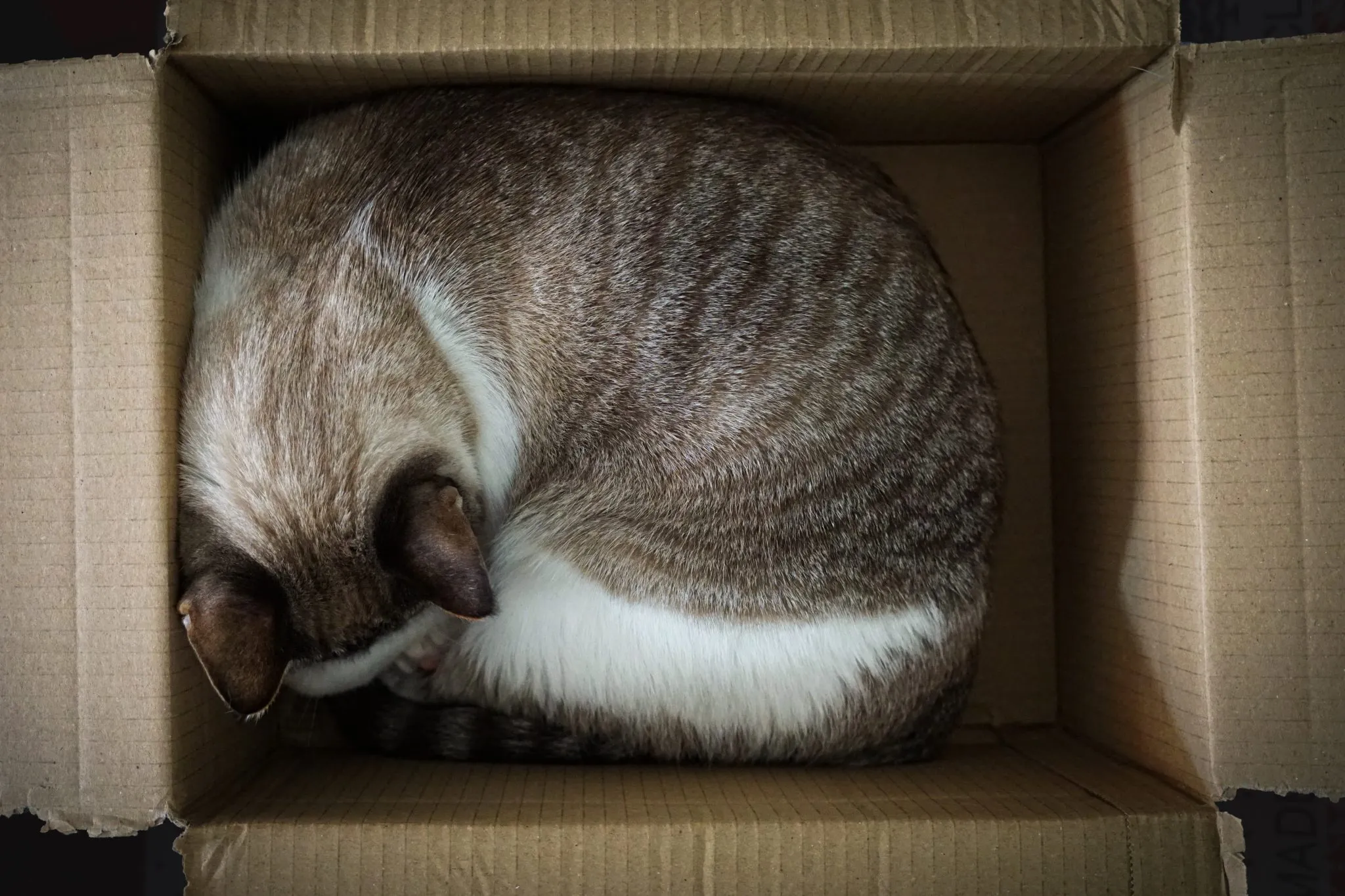
Cats see a room in three dimensions. A shelf near the ceiling is a lookout, a gap under the bed is a retreat, and a narrow hallway can be a standoff waiting to happen. Designing with that in mind gives your cat choices, and choice is one of the biggest stress reducers in a cat’s life.
You don’t need to remodel. A few well-placed perches, hideouts and scratchers can transform how your cat uses your home.
Start with a map
Before you buy anything, spend a few days watching your cat.
- Which windows do they sit in? Where do they nap in the sun?
- Where are the bottlenecks, such as hallways and doorways, where cats (or cats and dogs) cross paths?
- What spots do they avoid, like the area by a noisy washing machine or a toddler’s play zone?
Sketch a quick floor plan and mark three zones: rest, play, and food and litter. Keep litter boxes well away from food bowls and favorite perches.
Build vertical routes
Think in steps, not just a single tall cat tree.
| Level | Rough height | Purpose |
|---|---|---|
| Starter step | About 12 in | Easy first jump, good for kittens and seniors |
| Mid step | About 24–30 in | Comfortable lounging height |
| Lookout | 36–60 in or higher | Window views and overseeing the room |
Two rules make vertical space work:
- Separate up and down routes. If there’s only one way up, one cat can block it. Two paths prevent traffic jams.
- Mix sunny and shady spots. Put at least one perch at a window and one somewhere quiet and dim.
Choose your vertical pieces
- Freestanding cat trees: look for a wide, heavy base and replaceable scratching posts.
- Wall shelves and steps: mount into studs or with anchors rated for the load, and add grippy surfaces.
- Window perches: choose one with a weight rating that comfortably exceeds your cat’s weight and check the fixings regularly.
- Repurposed furniture: a sturdy bookshelf with a few shelves cleared and lined with carpet tiles makes a ready-made climbing tower.
Hiding spots that actually help
A good hideout lets your cat watch the world without being seen.
- Covered beds, cubes and tunnels at floor level
- An open carrier with a soft blanket, which doubles as carrier training
- Under-bench or ottoman cubbies with a clear way out
- High hideouts, such as a box mounted on a shelf or a canopy over a perch, for shy cats who feel safer up high
Follow the two-exit rule wherever you can. A hideout with only one opening can feel like a trap, especially if another pet blocks the door.
Multi-cat homes: more choices, less conflict
Many cat squabbles are really about access to resources.
- Provide at least two routes up and down in shared rooms. Avoid single narrow ladders.
- Give each cat at least one hideout, one elevated perch and one scratcher.
- Spread food, water and litter boxes across different areas, ideally with visual barriers between them, so no cat has to pass a rival to eat or use the box.
Scratchers are territory markers
Scratching keeps claws healthy and leaves scent marks that help cats feel at home.
- Offer both vertical posts and horizontal pads; many cats prefer one or the other.
- Place them near sleeping spots and room entrances, where cats like to stretch and mark.
- Choose posts tall enough for a full-body stretch (around 30 inches or more) with a base heavy enough not to wobble.
- Sisal fabric is durable; corrugated cardboard is cheap and easy to replace.
Safety checks
- Mount shelves into studs or with appropriate anchors, and stay within weight limits.
- Add non-slip strips or low-pile carpet to landings.
- Anchor tall cat trees to the wall with anti-tip straps.
- Keep perches away from hot appliances, and tidy cords behind covers.
- Round off sharp shelf edges or add a lip for kittens and seniors.
Seniors, kittens and cats with special needs
- Reduce jump gaps to about 8 to 12 inches, or add gently sloped ramps.
- Use deeper, cushioned landings so wobbly cats have room to recover.
- For arthritic cats, put food, water, a litter box and a favorite bed on one level, without stairs in the way.
- Choose washable, textured surfaces for grip and easy cleaning.
Rental-friendly ideas
- Floor-to-ceiling tension-pole cat trees
- Clamp-on window perches with a backup tether
- Bookshelves with removable carpet tiles
- Lightweight adhesive hooks for hanging fabric hideouts (never for anything a cat stands on)
A small-apartment example
- Window zone: a clamp-on window perch, a grippy shelf just above it, and a covered bed beside the curtain.
- Corner zone: a three-step wall ladder leading to a high corner perch with a raised edge.
- Floor zone: a horizontal scratcher by the entry and a covered cube bed with two openings.
Common mistakes
- Hideouts with one exit: cut a second opening or remove the door.
- Only one narrow ladder: add alternate steps or a ramp.
- Perches above the litter box: move them; cats want privacy there.
- Wobbly trees: brace them in a corner or add a wall strap.
Keep it fresh
Tighten mounts and check for wobble every few months. Replace frayed sisal and chipped shelves, wash bed covers, and rotate toys and cardboard scratchers to keep things interesting. Small changes keep a cat’s world engaging, and a cat with good places to climb, hide and watch is usually a calmer cat.
Questions people ask
A good starting point is at least one elevated perch, one hiding spot and one scratcher per cat, spread across different parts of the home. In multi-cat households, extra options in separate locations help prevent standoffs.
They can be, if you adapt them. Shorten the gaps between steps, use deeper landings with grippy surfaces, add ramps, and keep food, water and the litter box on one easy-to-reach level.
Yes. Freestanding cat trees, floor-to-ceiling tension poles, window perches that clamp on, and repurposed bookshelves with grippy mats all add height without holes.
Hiding is normal, especially in new homes or busy households, and good hiding spots reduce stress. If hiding is sudden, constant or paired with changes in eating, litter habits or grooming, check with your vet, since it can be a sign of pain or illness.
Keep reading

How to Create a Catio: Planning Tips and Must-Haves
A secure outdoor enclosure gives indoor cats sunshine, fresh air and bird-watching without the risks of roaming. What to build, which materials to use and how to make it safe.
5 min read

How to Celebrate Your Dog's Birthday: Fun, Safe Ideas
From a low-key sniff adventure to a small party with dog friends, here's how to plan a birthday or gotcha day your dog will actually enjoy, plus a simple pupcake recipe.
4 min read

10 Dog-Friendly U.S. Destinations (and How to Plan the Trip)
Beaches where dogs can run, mountain towns with endless trails, and cities that welcome dogs on patios, plus the planning basics that make any trip with your dog go smoothly.
5 min read