
'%20d='m0%200%2016%2011h61%2061%2061%2061%2060L47%2037h61%2061%2060%2061L16%2063h61%2061%2061%2061%2060L47%2089h61%2061%2060%2061L16%20115h61%2061%2061%2061%2060L47%20141h61%2061%2060%2061L16%20166h61%2061%2061%2061%2060L47%20192h61%2061%2060%2061L16%20218h61%2061%2061%2061%2060z'/%3e%3c/svg%3e)



10 Dog-Friendly U.S. Destinations (and How to Plan the Trip)
Beaches where dogs can run, mountain towns with endless trails, and cities that welcome dogs on patios, plus the planning basics that make any trip with your dog go smoothly.
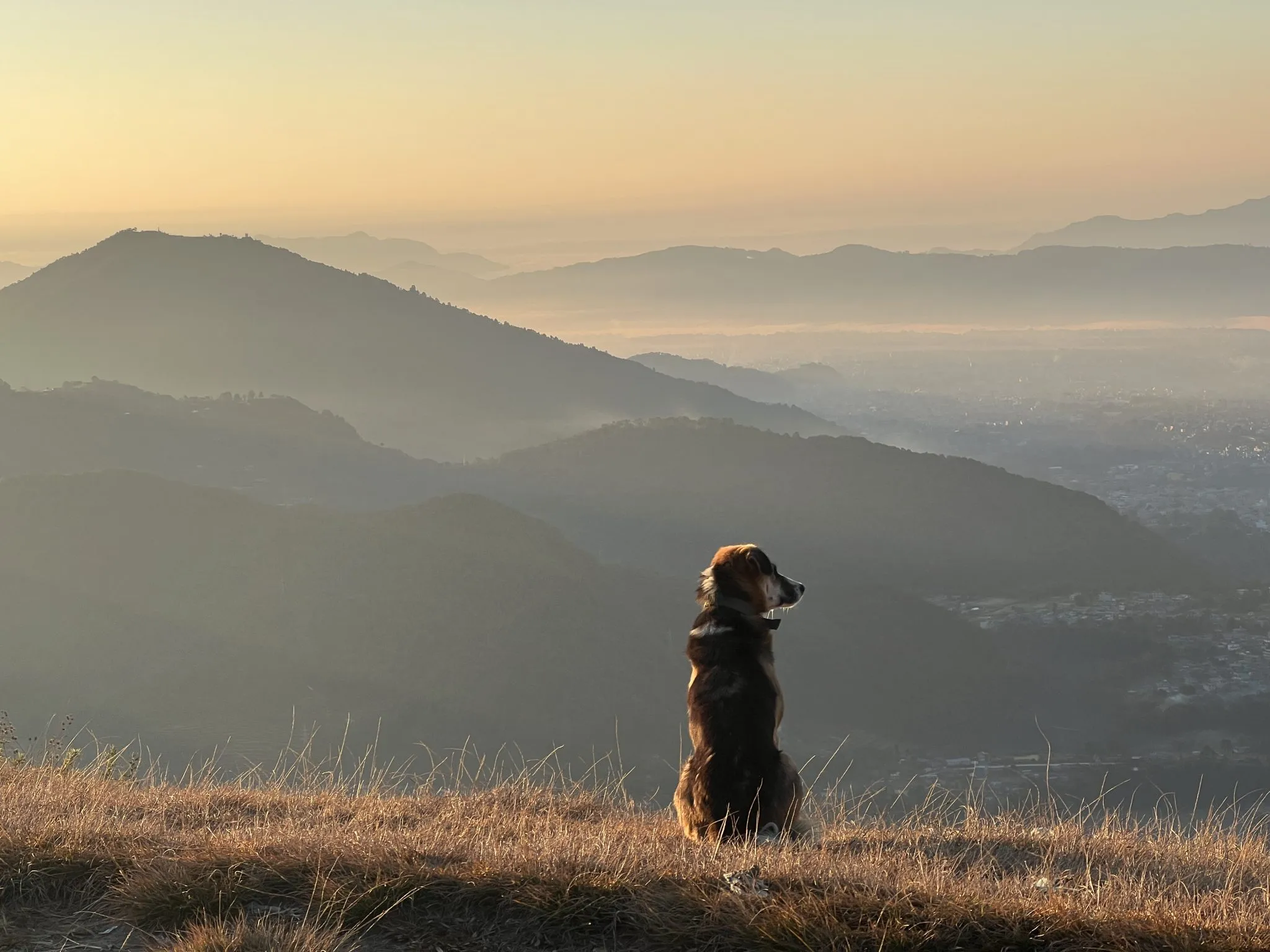
The best dog-friendly destinations do more than tolerate dogs. They have places where dogs can genuinely stretch their legs, patios where they can settle at your feet, and lodging that doesn’t treat a 60-pound Lab like a problem.
Here are ten U.S. places that consistently deliver, followed by the planning basics that apply wherever you go. Rules for beaches, parks and trails can change by season, so always check the local park or city website shortly before your trip.
1. San Diego, California
Why go: Mild weather year-round and several well-known off-leash beaches.
Highlights: Ocean Beach’s Dog Beach is one of the most famous off-leash beaches on the West Coast. Fiesta Island in Mission Bay has a large off-leash area with water access, and Coronado has its own dog beach. On leash, the Sunset Cliffs walk and the paths around Balboa Park are lovely.
Know before you go: Rules differ from beach to beach, and some have seasonal or time-of-day restrictions.
2. Carmel-by-the-Sea, California
Why go: A small coastal town famous for welcoming dogs in shops, inns and restaurant patios.
Highlights: Carmel Beach allows dogs off leash under voice control, and sunset walks there are a local ritual.
Know before you go: Your dog needs a recall that works around other dogs and waves. Elsewhere in town, keep the leash on.
3. Bend, Oregon
Why go: High-desert sunshine, rivers, forests and an outdoorsy culture where dogs come along for everything.
Highlights: The city park district runs a generous network of off-leash areas, and the Deschutes River Trail is a scenic leashed walk through town and beyond.
Know before you go: Some popular trails in the surrounding national forest require leashes during the busy summer season.
4. Portland, Oregon
Why go: A city with a long list of designated off-leash areas and easy access to forest trails.
Highlights: Forest Park offers miles of shady, leashed trails inside city limits, and the Columbia River Gorge is a short drive away.
Know before you go: Off-leash rules are enforced, so let your dog run only in posted areas.
5. Sedona, Arizona
Why go: Red-rock scenery on trails where leashed dogs are welcome.
Highlights: Many trails in the surrounding Coconino National Forest allow dogs on leash, from short loops to longer desert hikes.
Know before you go: Rock and sand get hot fast. Hike early, carry more water than you think you need, and check paw pads often. Booties help on rough ground.
6. Asheville, North Carolina
Why go: Blue Ridge Mountain hikes in the morning, dog-friendly brewery patios in the afternoon.
Highlights: Leashed dogs are allowed on many trails along the Blue Ridge Parkway and in the surrounding national forests. Downtown and the River Arts District are walkable, with plenty of patios.
Know before you go: Most trails require a leash, and policies at breweries and restaurants vary, so ask before you settle in.
7. Bar Harbor and Acadia National Park, Maine
Why go: One of the most dog-friendly national parks in the country.
Highlights: Acadia allows leashed pets on many of its hiking trails and its historic carriage roads, which offer easy, wide loops with lake and ocean views.
Know before you go: Leashes must be 6 feet or shorter. Some steep trails with iron rungs and ladders aren’t suitable for dogs, and certain swimming beaches restrict pets in summer.
8. Austin, Texas
Why go: Greenbelts, lakes and a patio culture that includes dogs.
Highlights: The trail around Lady Bird Lake is a classic leashed walk, and Red Bud Isle and Zilker Park have popular off-leash areas.
Know before you go: Summers are very hot. Plan outdoor time for early mornings and evenings, and test pavement with your hand before walking on it.
9. Savannah, Georgia
Why go: Shady historic squares that are perfect for slow, sniffy walks.
Highlights: Stroll square to square through the historic district, with Forsyth Park as a leafy anchor, and stop at pet-friendly patios along the way.
Know before you go: Leashes are required in parks and squares. Summer heat and humidity are intense, so spring and fall are more comfortable.
10. Fort De Soto Park, Tampa Bay area, Florida
Why go: A rare Florida beach where dogs are officially welcome.
Highlights: The park has a designated dog beach and a fenced off-leash dog park, so your dog can swim and run in one trip.
Know before you go: Most other beaches in the area restrict dogs, so stick to designated zones.
When to go
| Season | Good picks |
|---|---|
| Spring and fall | Asheville, Sedona, Austin, Savannah, Portland |
| Summer | Acadia, Bend, Carmel |
| Winter | San Diego, Tampa Bay |
Planning basics for any dog trip
Before you leave
- Book truly dog-friendly lodging. Ask about weight limits, the number of dogs allowed, pet fees and whether dogs can be left alone in the room.
- Check rules for each stop. Leash laws, beach hours and trail access vary widely.
- Update ID. Make sure tags and microchip records have your current phone number.
- Find an emergency vet near your destination and save the number.
What to pack
- A 6-foot leash, plus a long line for places where it’s allowed
- Collapsible bowl, water, food and extra poop bags
- Copy of rabies certificate and vaccination records
- Familiar bed or blanket for settling in new places
- Tick and flea prevention, paw balm or booties for rough or hot terrain
- A chew or lick mat for calm time on patios and in hotel rooms
On the road
- Secure your dog in the car with a crash-tested harness or a crate that’s strapped in.
- Stop every two to four hours for water and a short walk.
- Never leave your dog alone in a parked car.
Quick rules that rarely change
- National parks: pets must be on a leash of 6 feet or less, and are often limited to developed areas.
- Cities: off-leash play is for posted areas only, and fines are common.
- Beaches: even on dog beaches, follow posted zones and hours.
A little research up front means more time doing the fun part: exploring somewhere new with your best travel buddy.
Questions people ask
Usually only in limited areas, such as campgrounds, parking areas and some paved paths, on a leash no longer than 6 feet. A few parks, including Acadia, allow leashed dogs on many trails. Check each park's pet page before you go.
Carry proof of rabies vaccination and your vet's contact details on every trip. Airlines, and some states and hotels, may also ask for a recent health certificate from your vet, so check requirements well ahead of time.
Plan a short break every two to four hours for a drink, a potty stop and a brief walk. Puppies, seniors and dogs prone to motion sickness may need more frequent stops.
No. Temperatures inside a parked car can climb to dangerous levels within minutes, even on mild days and with the windows cracked. Plan stops where your dog can come with you.
Keep reading
How to Celebrate Your Dog's Birthday: Fun, Safe Ideas
From a low-key sniff adventure to a small party with dog friends, here's how to plan a birthday or gotcha day your dog will actually enjoy, plus a simple pupcake recipe.
4 min read

Holiday Gift Ideas for Dogs: What to Give Every Kind of Pup
Skip the toy that's shredded by lunchtime. These gift ideas are matched to how your dog actually likes to spend their day, with a few safety notes for the season.
4 min read

Designing a Cat-Friendly Home: Vertical Space and Hiding Spots
Cats feel safest when they can climb, perch and tuck away. How to plan perches, routes and hideouts that work in apartments, houses and multi-cat homes.
4 min read