

'%20d='m0%200%2016%2011h61%2061%2061%2061%2060L47%2037h61%2061%2060%2061L16%2063h61%2061%2061%2061%2060L47%2089h61%2061%2060%2061L16%20115h61%2061%2061%2061%2060L47%20141h61%2061%2060%2061L16%20166h61%2061%2061%2061%2060L47%20192h61%2061%2060%2061L16%20218h61%2061%2061%2061%2060z'/%3e%3c/svg%3e)



How to Keep Your Dog Busy When You Leave (or Work From Home)
Practical enrichment ideas for the hours your dog spends on their own or watching you work, plus how to tell everyday boredom from real separation anxiety.
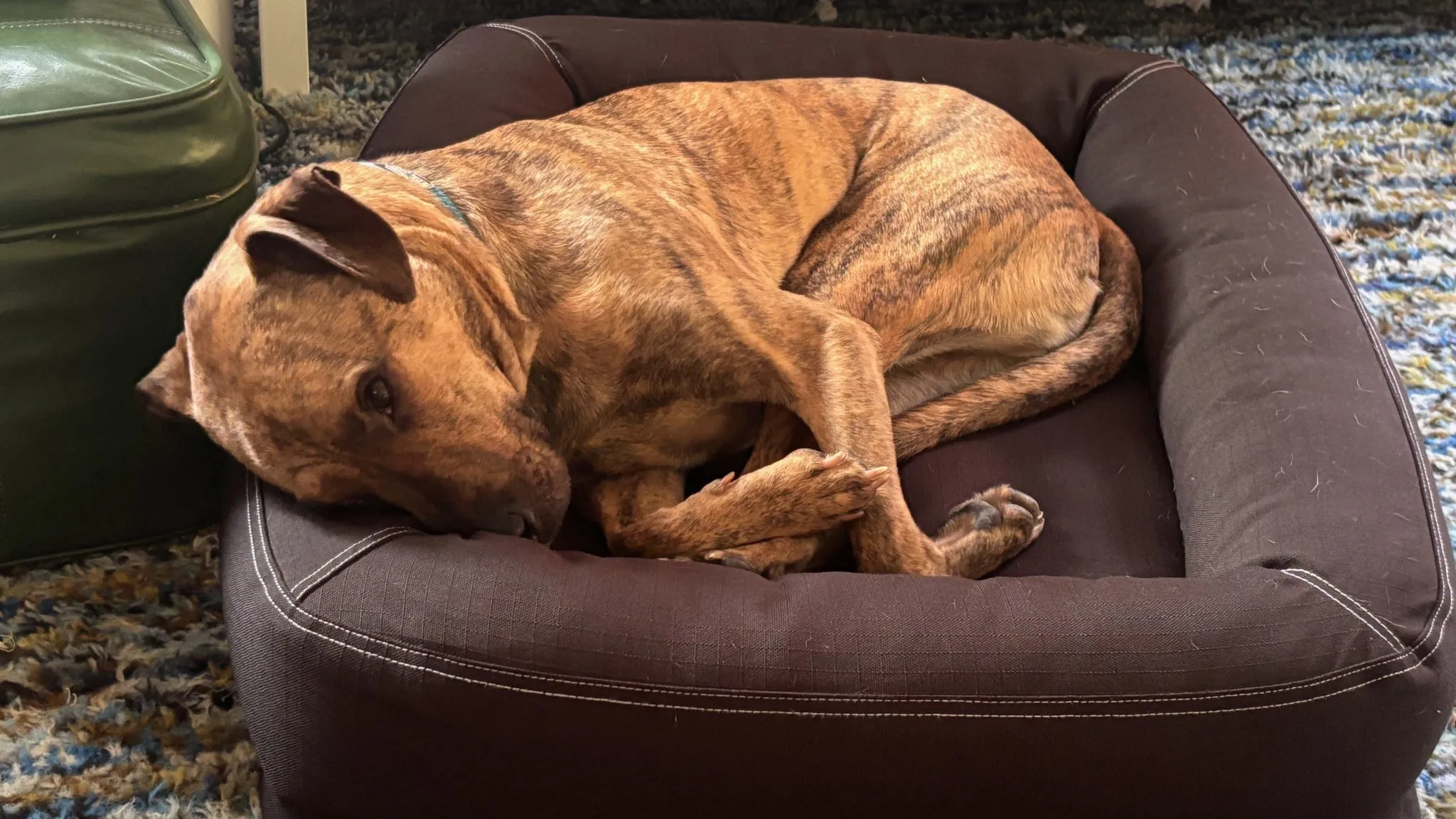
This article is general information, not veterinary advice. If your pet seems unwell or you are worried, call your vet.
Most dogs spend part of every day without our full attention. Some are home alone while we’re at work. Others are right next to us while we stare at a laptop, which can feel even more confusing for a dog.
The good news is that a few small habits can make those hours calmer for both of you. Here’s how to fill your dog’s day with the right kind of activity, and how to spot when it’s more than boredom.
Why mental work matters as much as exercise
A long walk tires your dog’s legs. But dogs also need to use their noses and brains. Sniffing, searching for food, licking and problem-solving are natural dog behaviours, and they tend to leave dogs calm and satisfied rather than wound up.
Fifteen minutes of nose work can tire some dogs as much as a much longer walk. That makes “brain work” one of the best tools you have for busy days.
Before you leave: set your dog up to rest
- Go for a sniffy walk. Let your dog stop and sniff instead of marching. A slower walk with lots of sniffing is often more settling than a fast one.
- Toilet break last thing. A comfortable dog rests more easily.
- Keep goodbyes low-key. Big emotional farewells can make departures feel like an event. A calm “see you later” is plenty.
- Make leaving boring. Pick up your keys or put on your shoes at random times without going anywhere, so these cues stop predicting your absence.
- Practice short absences. If your dog struggles, start with a few minutes and build up slowly.
Enrichment ideas that keep dogs busy
Sniffing games
- Scatter feeding: toss a portion of kibble across the lawn or a rug and let your dog find it.
- Snuffle mats: fabric mats that hide kibble between strips.
- “Find it”: hide treats around a room while your dog waits, then release them to search. Start easy, then make it harder.
Food puzzles
Treat-dispensing balls, sliding puzzles and wobble toys make dogs work for their food. Start with the easiest level so your dog succeeds quickly, then increase the challenge.
Frozen fillable toys
A sturdy rubber toy stuffed with soft food and frozen overnight can keep many dogs licking and chewing for a long stretch. Wet food, plain yogurt, pumpkin or kibble soaked in low-sodium broth all work. Make the first few easy (pack it loosely, don’t freeze it solid) so your dog learns the game.
Lick mats
Textured mats spread with a thin layer of soft food encourage slow, steady licking, which many dogs find calming. Freezing them makes the session last longer. Use them when you can supervise, since some dogs will chew the mat itself.
Safe chews
A long-lasting chew that’s the right size and hardness for your dog can be a great quiet-time activity. Avoid cooked bones and very hard chews that can crack teeth.
Remember: count food-based enrichment as part of your dog’s daily food, not on top of it.
A work-from-home day that works for your dog
| Time | What to do |
|---|---|
| Morning | Sniffy walk, then breakfast in a food puzzle |
| Mid-morning | Quiet time on a bed or in a crate. Reward calm settling. |
| Lunch | Short walk or a game of “find it” |
| Afternoon | Frozen toy or lick mat during your busiest call |
| Late afternoon | Five minutes of training, like a new trick or mat settling |
| Evening | Longer walk or play, then wind down |
Dogs often do best with a predictable rhythm. It also helps to teach your dog to settle on a mat: reward them with a quiet treat when they lie down on it, and gradually build the time. It gives them a clear “off-duty” spot while you work.
Boredom or separation anxiety?
Bored dogs and anxious dogs can both chew, bark and make a mess. The difference matters, because they need different help.
| More likely boredom | More likely separation anxiety |
|---|---|
| Destruction is random, anywhere in the house | Damage focuses on doors, windows or crate |
| Problems happen later in the absence, or also when you’re home | Signs start within minutes of you leaving |
| Dog is relaxed as you leave | Dog follows you, pants, paces or trembles as you get ready |
| Dog eats food toys left for them | Dog ignores food until you return |
| Improves with more exercise and enrichment | Doesn’t improve much with more exercise |
Other signs of separation anxiety include howling or barking that goes on and on, accidents in a house-trained dog, drooling, and escape attempts. If you’re not sure, set up a camera and record the first 30 minutes after you leave. It’s the single most useful thing you can do.
Keeping alone time safe
- Only leave toys your dog has used safely with you many times.
- Remove anything cracked, torn or small enough to swallow.
- Remove collars with tags in crates, where they can snag.
- Leave fresh water and a comfortable resting spot.
- For long days, book a midday dog walker or ask a neighbour to visit.
When to get professional help
Enrichment helps bored dogs. It doesn’t cure separation anxiety, and pushing an anxious dog through longer absences can make it worse.
Talk to your vet if:
- You see signs of separation anxiety from the table above
- Your dog is hurting themselves trying to get out
- Behaviour has changed suddenly, especially in an older dog
- Your dog won’t eat, drinks much more, or has accidents they didn’t used to have
Your vet can rule out medical causes and discuss whether medication could help alongside training. They can also refer you to a veterinary behaviourist or a qualified separation anxiety trainer. Treatment usually involves very gradual practice with short absences, built up at your dog’s pace.
The bottom line
Most dogs don’t need constant entertainment. They need a calm routine, a chance to use their nose and brain, and a few good activities for the moments you’re busy. If your dog seems truly distressed when you leave, that’s not a training failure. It’s a sign to get help, and the sooner you do, the easier it is to fix.
Questions people ask
It depends on age, health and training. Many welfare organizations advise not leaving an adult dog alone for more than about four hours at a time on a regular basis. Puppies need much shorter stretches, and every dog needs regular toilet breaks.
Some dogs seem more settled with quiet background sound, especially if it masks outside noise. It won't fix separation anxiety, but it's a harmless thing to try.
Only toys you've watched your dog use safely many times, and that they can't break or swallow. Introduce anything new while you're home, and take away anything damaged.
Signs that start soon after you leave and centre on your absence, like howling, chewing at doors, accidents or refusing food, point toward anxiety. A short video recording of your dog alone is the best way to find out.
Keep reading
Why Is My Dog Chewing Everything? A Guide by Age, Plus Safe and Risky Chews
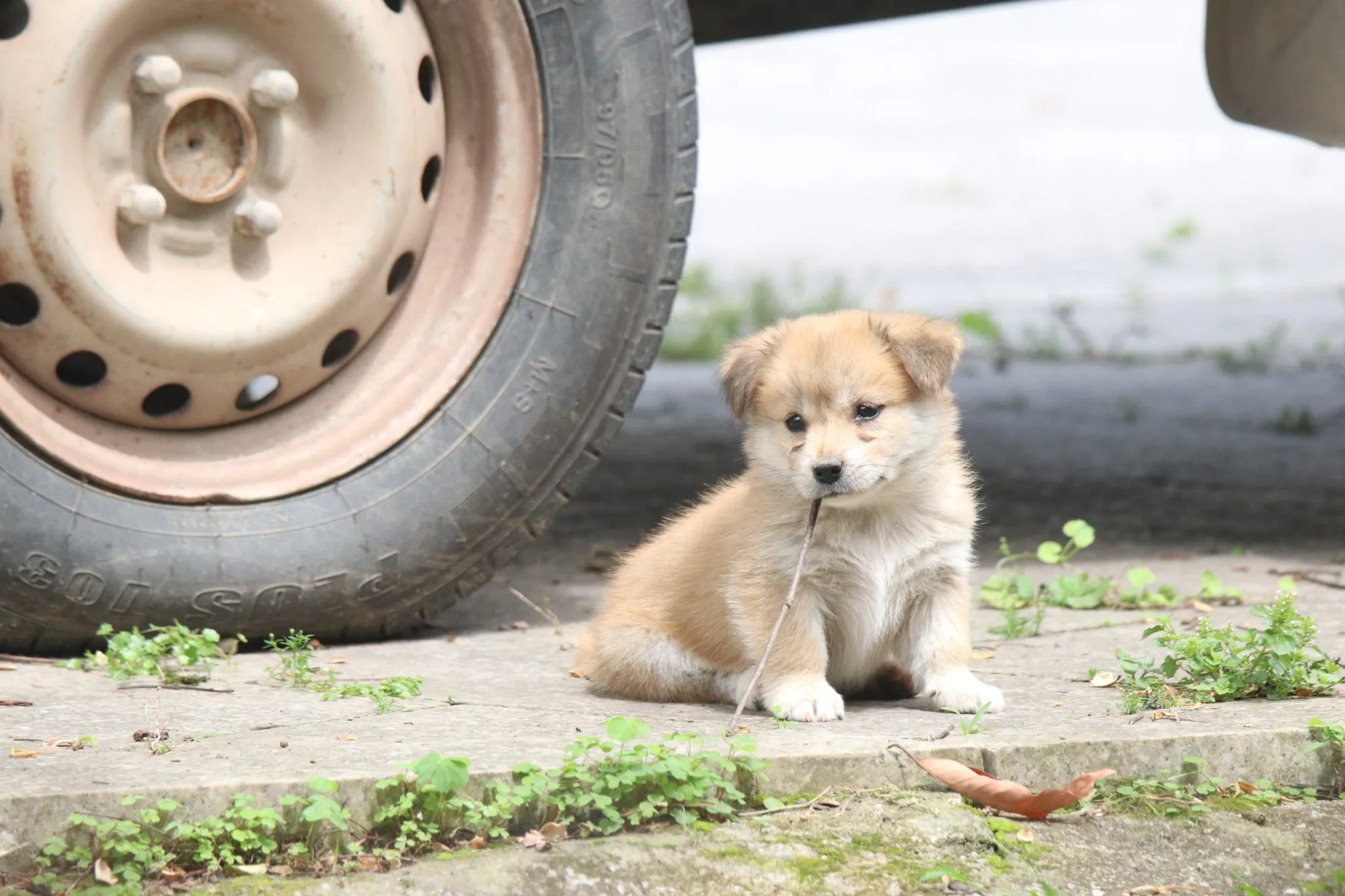
Chewing is normal at every age, but the reasons change. Here's what's behind it for puppies, teenagers and adult dogs, what actually helps, and which chews can crack a tooth.
5 min read
Indoor Cat Enrichment: A Daily Routine Your Cat Will Actually Use
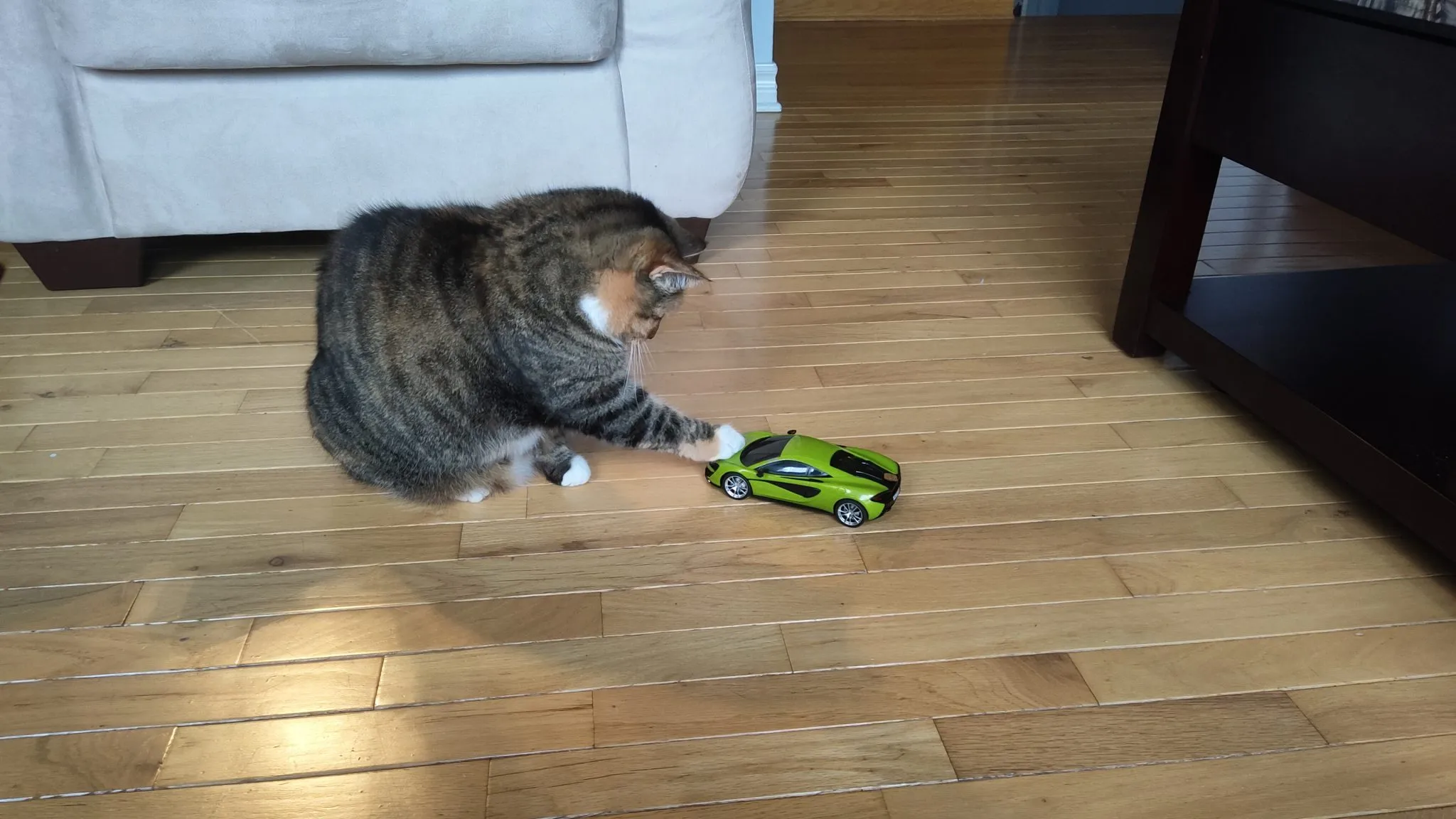
Play that mimics hunting, food your cat has to forage for, and space to climb. Here's how to build a simple daily routine that keeps an indoor cat busy and content.
5 min read
Itchy Dog? 8 Common Skin Allergies and Look-Alike Problems
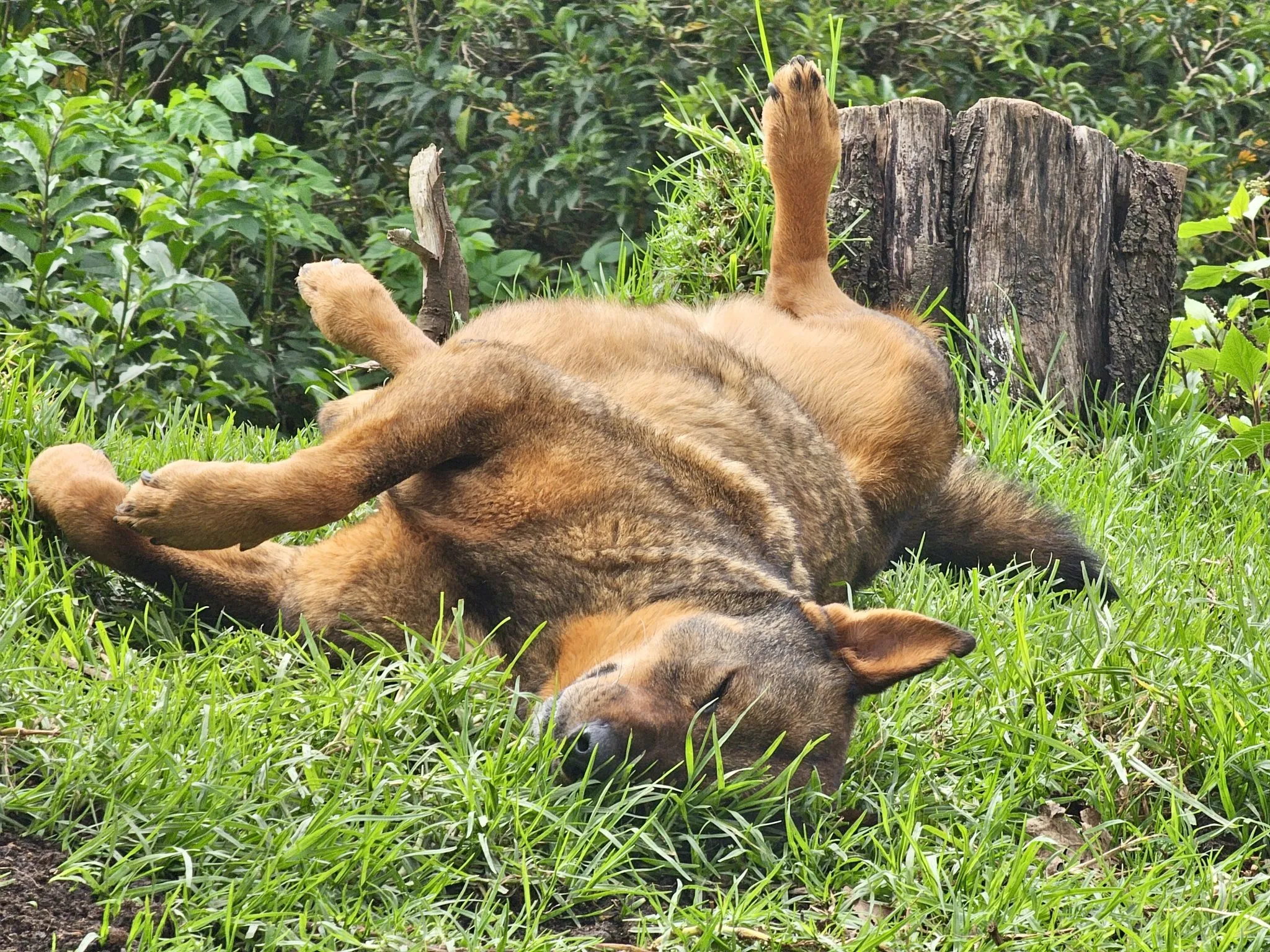
Fleas, pollen, food and the infections that follow all cause scratching. Here's how to spot the likely culprit, what helps at home, and when your vet needs to step in.
5 min read