
'%20d='m0%200%2016%2011h61%2061%2061%2061%2060L47%2037h61%2061%2060%2061L16%2063h61%2061%2061%2061%2060L47%2089h61%2061%2060%2061L16%20115h61%2061%2061%2061%2060L47%20141h61%2061%2060%2061L16%20166h61%2061%2061%2061%2060L47%20192h61%2061%2060%2061L16%20218h61%2061%2061%2061%2060z'/%3e%3c/svg%3e)



Recall Training: How to Teach Your Dog a Reliable 'Come'
A step-by-step plan to build a recall that holds up around squirrels, other dogs and dropped sandwiches, from indoor basics to long-line proofing.
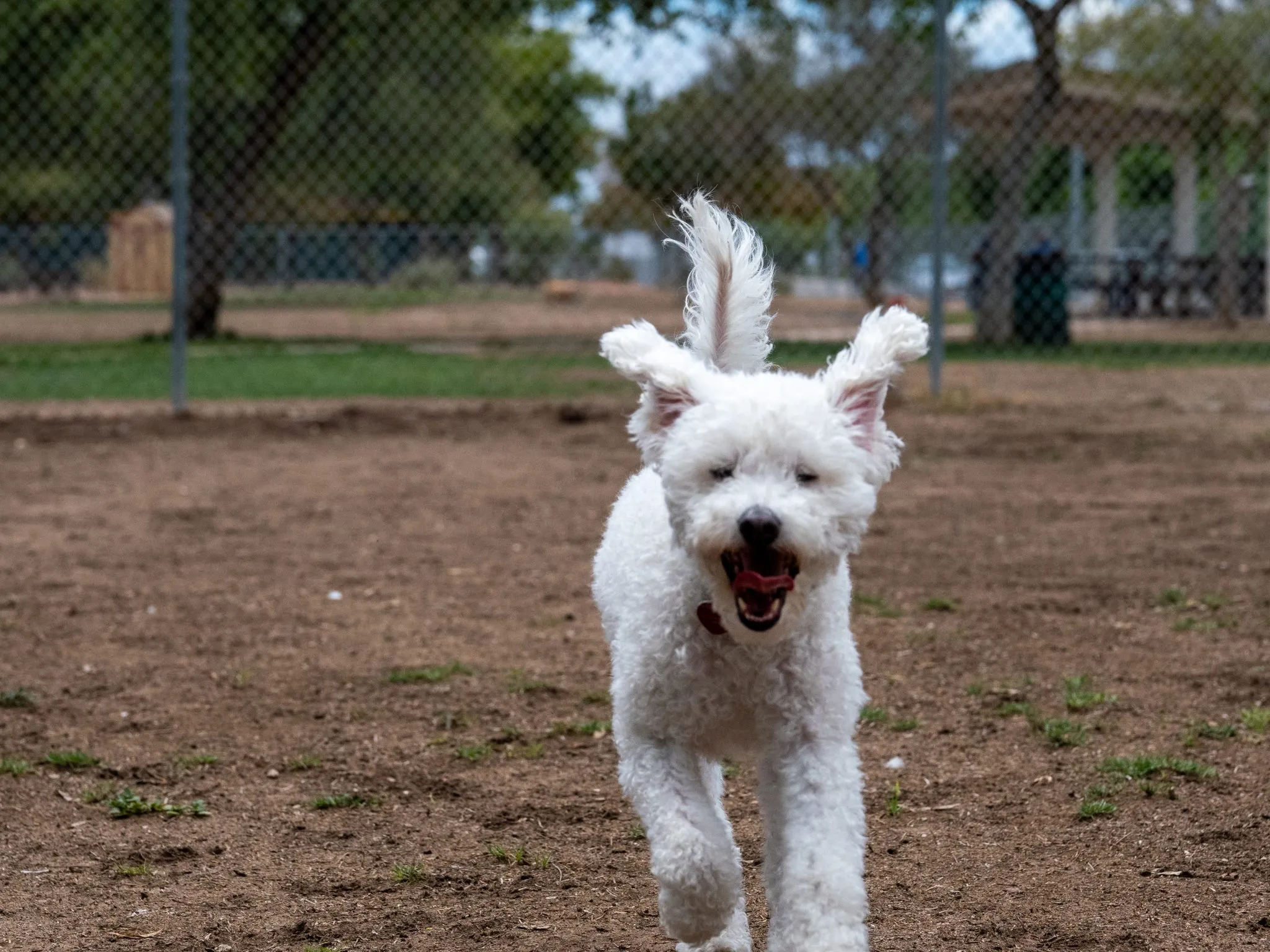
A dog that comes when called gets more freedom, more adventures and a lot more safety. A reliable recall isn’t about obedience so much as habit: your dog hears the cue, turns, and sprints to you because that has always paid off.
Here’s how to build that habit, step by step. Until your dog’s recall holds up around other dogs, wildlife, food and toys, practice outdoors on a long line and a well-fitted harness, and skip unfenced off-leash areas.
Step 1: Pick and protect your cue
Choose a word you don’t already use casually. “Come” is fine if it hasn’t been worn out by months of being ignored; if it has, start fresh with “Here!” or a whistle.
Then protect it. Never use the recall cue for things your dog dislikes, such as nail trims, baths or leaving the park. For those, simply walk over and get your dog.
Step 2: Charge the cue indoors
Start in a quiet room with tiny, high-value treats (soft chicken, cheese, or whatever your dog loves most).
- Say your cue once, then toss a treat behind your dog.
- When your dog turns back to you, drop three to five treats at your feet.
- Repeat 10 to 15 times in a session.
Next, add movement: say the cue, take a few quick steps backward, and pay at your feet when your dog catches up. Dogs love to chase, so moving away from them works far better than moving toward them.
A hand target helps too. Hold your palm at your dog’s nose height; when they touch it, say “Yes!” and treat. Later, this gives your dog a clear finish point right at your side.
Keep sessions to one or two minutes and stop while your dog still wants more.
Step 3: Take it outside on a long line
Move to a yard or quiet park with a 15- to 30-foot long line clipped to a back-clip harness (not a collar, which can jerk the neck).
- Say the cue once. If your dog doesn’t respond, gently reel in the slack. Never yank.
- Pay generously when your dog arrives. Vary the rewards: one treat, a rapid-fire “paycheck” of five or six tiny treats, a quick game of tug, or permission to go sniff again.
- Use “freedom releases” often. Call your dog, reward, then say “Go sniff!” and let them return to what they were doing. If coming to you always ends the fun, your dog will learn to avoid coming.
Step 4: Climb the distraction ladder
Only move to the next level when your dog responds quickly at least 8 times out of 10 at the current one.
| Level | Setting |
|---|---|
| 1 | Quiet room at home |
| 2 | Hallway or backyard with mild smells |
| 3 | Front yard or driveway, with people or dogs in the distance |
| 4 | Park at quiet times, other dogs 50+ feet away |
| 5 | Park at busy times, with dogs, kids and bikes |
If your dog fails twice in a row, drop back a level. That’s information, not failure.
Recall games that build speed
Short games make practice fun for both of you.
- Ping-pong recall: Two people stand 10 to 15 feet apart and take turns calling. Pay big each time. Increase the distance gradually.
- Hide and seek: Hide behind a door or tree and call once. Celebrate when your dog finds you.
- Chase me: Call, then jog away happily. Reward at your feet.
- Treat shower: When your dog arrives, scatter treats around your shoes so your feet become the best place in the world.
- Recall for play: For toy-motivated dogs, a fast arrival earns five to ten seconds of tug or a quick fetch.
Make it stick
- Add a collar or harness grab. When your dog arrives, gently hold the harness, feed a few treats, then release. This prevents the “drive-by” where a dog comes close and dodges away.
- Teach an emergency recall. Pick a special word or whistle pattern used only for jackpots, like a handful of the best treats. Practice it a couple of times a week so it stays powerful.
- Pay the fastest reps best. Quick, enthusiastic responses earn the biggest rewards. Slow ones still get paid, just less.
Common mistakes and fixes
| Mistake | Fix |
|---|---|
| Repeating the cue (“come, come, COME”) | Say it once. If it fails, make the next rep easier and use the long line. |
| Calling only to end the fun | Mix in plenty of recalls followed by a release back to play. |
| Scolding a dog who finally arrives | Always reward arrival, however slow. Make the next rep easier. |
| Calling right after your dog locks on to a squirrel | Call earlier, at the first head turn, or add distance. |
| Underpaying | Use better treats outdoors than indoors. Competition is tougher there. |
A two-week starter plan
- Days 1–3: Indoor cue charging, hand target and ping-pong recall. Two or three micro-sessions a day.
- Days 4–6: Backyard or quiet area on the long line. Add running-away rewards and sniff releases.
- Days 7–10: Quiet park at off-peak times, calling from 10 to 20 feet with mild distractions.
- Days 11–14: Stretch to 30 to 40 feet, introduce a whistle, and practice the emergency cue once a day.
After that, keep recall “on salary” with a few quick reps several times a week and the occasional surprise jackpot.
Safety first
- Use a long line near roads, livestock, wildlife or cliffs, and never call your dog toward a hazard.
- Keep your dog’s ID tags and microchip details current.
- Remember that even a great recall can fail on a bad day. It’s a skill, not a substitute for a leash where one is needed.
Questions people ask
You can teach the basics indoors in a week or two, but proofing recall around real distractions usually takes months of short, regular practice. Keep using a long line in open spaces until your dog responds fast at least 8 times out of 10 at that level of difficulty.
Usually the payoff is too small or the difficulty jumped too fast. Use better rewards, step back to an easier setting, and only call when you're confident your dog will respond.
A whistle carries farther, sounds the same no matter how stressed you are, and isn't used in everyday conversation. Many owners teach both: a verbal cue for daily use and a whistle as a backup.
No. The constant tension of a retractable leash muddies the cue and they can injure hands and legs. Use a flat long line of 15 to 30 feet attached to a back-clip harness.
Keep reading
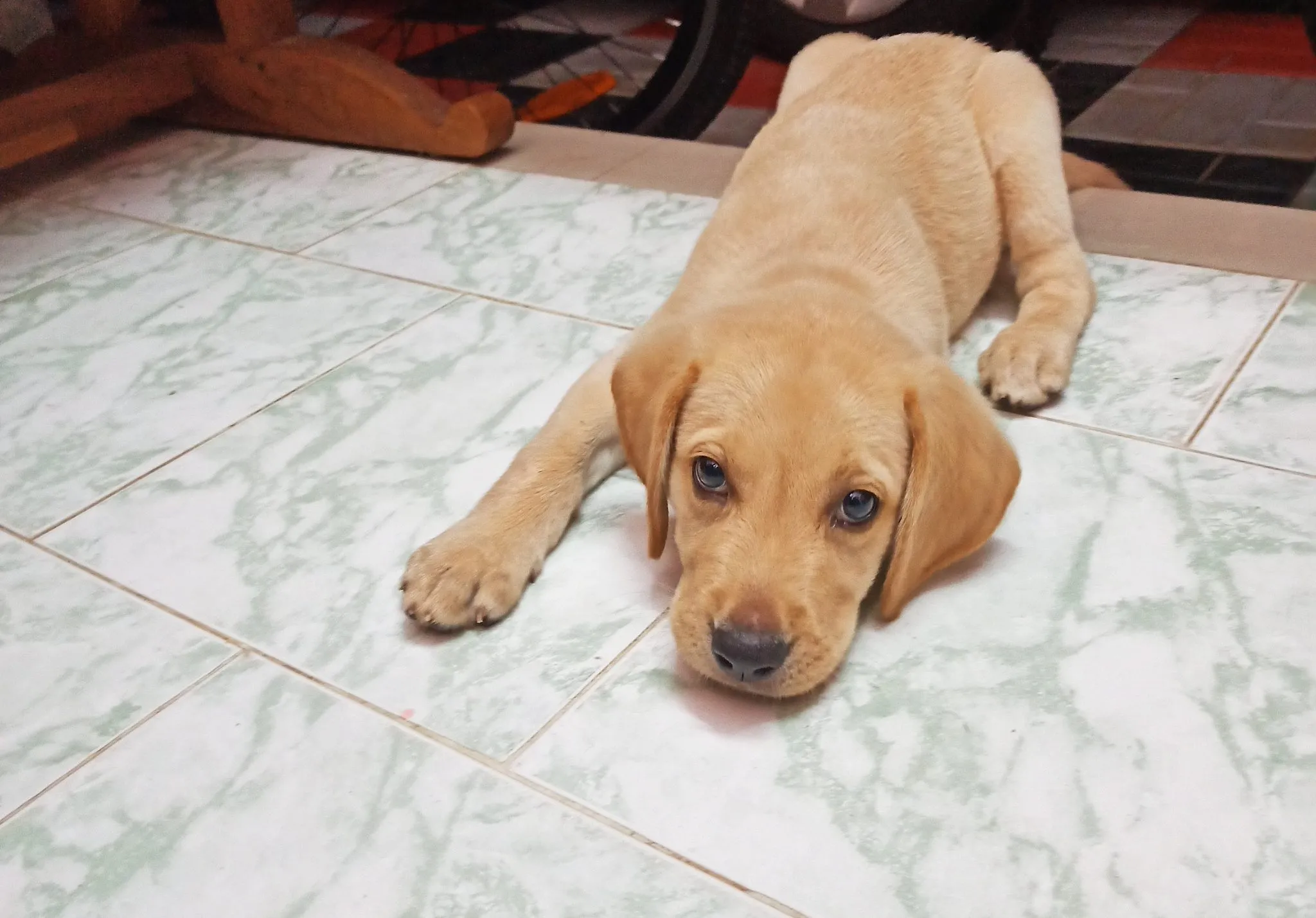
Puppy Potty Training: 5 Common Mistakes and How to Fix Them
Most house-training trouble comes from the setup, not a stubborn puppy. Here are the five mistakes that slow things down, plus a sample daily schedule that works.
5 min read
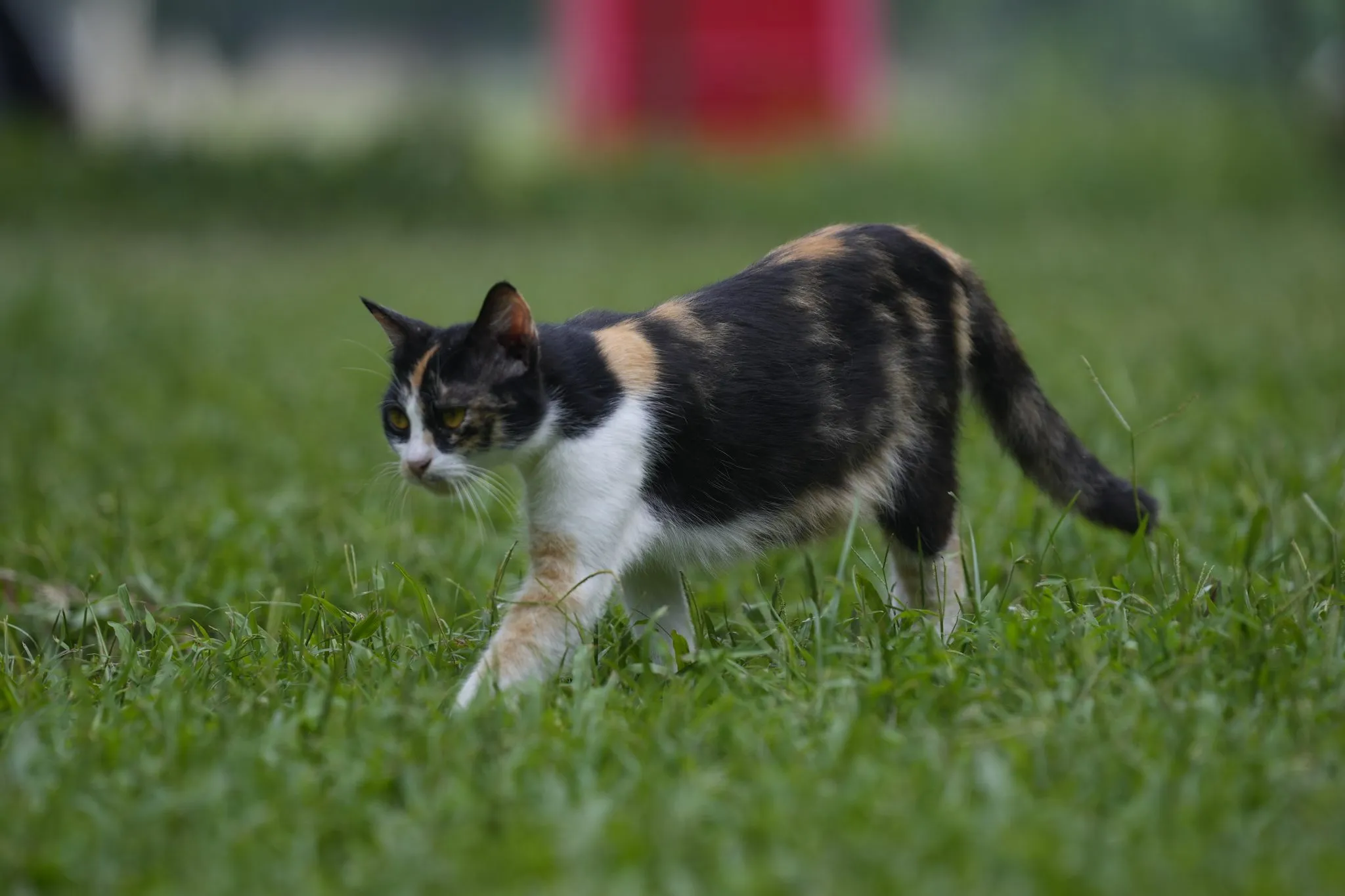
How to Train Your Cat to Walk on a Leash and Harness
Harness walks give indoor cats fresh smells and sunshine without the risks of roaming. Here's how to get there calmly, one small step at a time.
5 min read
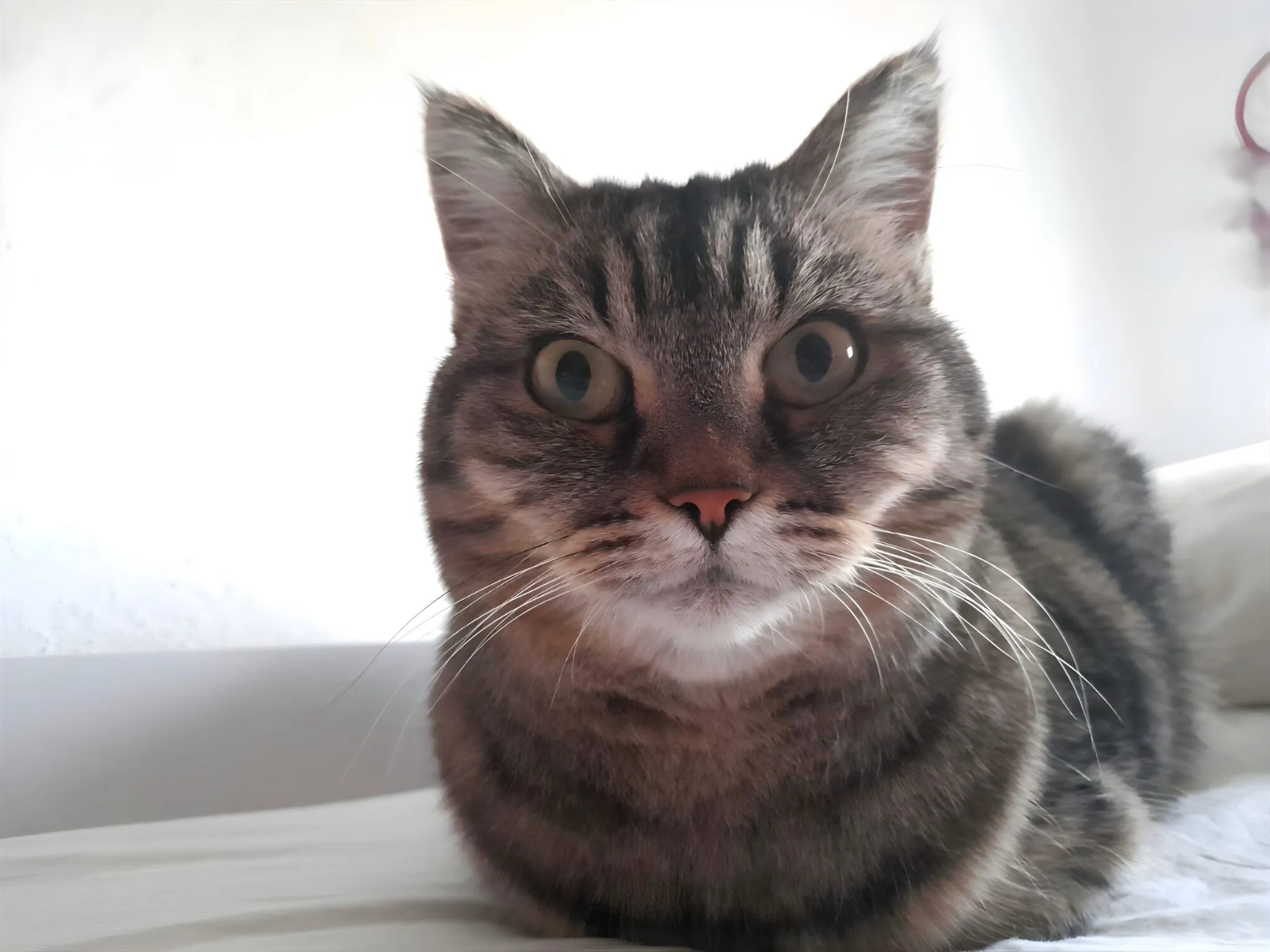
Clicker Training for Cats: How to Get Started
Yes, cats can be trained, and most enjoy it. Here's how to charge a clicker, teach your first behaviors and use them for real-life wins like calmer carrier trips.
5 min read