

'%20d='m0%200%2016%2011h61%2061%2061%2061%2060L47%2037h61%2061%2060%2061L16%2063h61%2061%2061%2061%2060L47%2089h61%2061%2060%2061L16%20115h61%2061%2061%2061%2060L47%20141h61%2061%2060%2061L16%20166h61%2061%2061%2061%2060L47%20192h61%2061%2060%2061L16%20218h61%2061%2061%2061%2060z'/%3e%3c/svg%3e)



Holiday Safety for Dogs and Cats: Food, Plants, Decorations and Guests
The holidays bring rich food, glittering decorations and a full house. Here's how to keep your dog and cat safe and calm through the season, and what to do if something goes wrong.
This article is general information, not veterinary advice. If your pet seems unwell or you are worried, call your vet.
The holidays are wonderful and a little chaotic, for pets as much as for people. Emergency vets tend to see the same problems every season: dogs who raided the cookie tin, cats who ate tinsel, and pets stressed by a house full of guests. Most of it is preventable with a bit of planning.
Here’s a room-by-room guide to keeping your dog and cat safe.
In the kitchen and at the table
Holiday food is richer and more tempting than usual, and there’s more of it sitting around. These are the biggest risks:
| Food | Why it’s dangerous | Dogs | Cats |
|---|---|---|---|
| Chocolate and cocoa | Theobromine and caffeine affect the heart and nervous system | High risk | Risky, though cats rarely eat it |
| Xylitol (birch sugar) in sugar-free baking, sweets and gum | Causes a dangerous drop in blood sugar and can damage the liver | High risk | Avoid |
| Grapes, raisins, currants, sultanas (in fruit cake, mince pies, stuffing) | Can cause kidney injury | High risk | Avoid |
| Onions, garlic, leeks, chives (in stuffing, gravy, sauces) | Damage red blood cells | Toxic | Especially toxic |
| Fatty scraps, turkey skin, drippings | Can trigger pancreatitis | High risk | Risky |
| Cooked bones | Splinter, choke, block or tear the gut | High risk | High risk |
| Alcohol, eggnog, boozy desserts | Alcohol poisoning | High risk | High risk |
| Raw yeast dough | Expands in the stomach and produces alcohol | High risk | High risk |
| Macadamia nuts | Weakness, tremors, fever | Toxic | Avoid |
Practical tips:
- Ask guests not to feed pets from the table, and say it out loud. Most people mean well.
- Clear plates and leftovers promptly and use a bin with a secure lid. Carcasses and bones in the trash are a classic emergency.
- Keep pets out of the kitchen while you cook, with a baby gate or a closed door.
- Never leave food gifts under the tree. Dogs will sniff out wrapped chocolate.
If you want to include your pet in the feast, a few bites of plain, boneless, skinless turkey or plain cooked vegetables is plenty.
Plants and flowers
- Lilies are an emergency for cats. True lilies (Lilium) and daylilies (Hemerocallis) can cause kidney failure in cats. Every part is toxic, including the pollen and the water in the vase. Keep them out of homes with cats entirely, and ask florists to leave them out of bouquets.
- Holly and mistletoe can cause vomiting and diarrhoea, and mistletoe can cause more serious problems if a lot is eaten. Keep them well out of reach.
- Amaryllis bulbs can cause vomiting and drooling.
- Poinsettias are much less dangerous than their reputation suggests, but chewing can still cause drooling and an upset stomach.
The tree and decorations
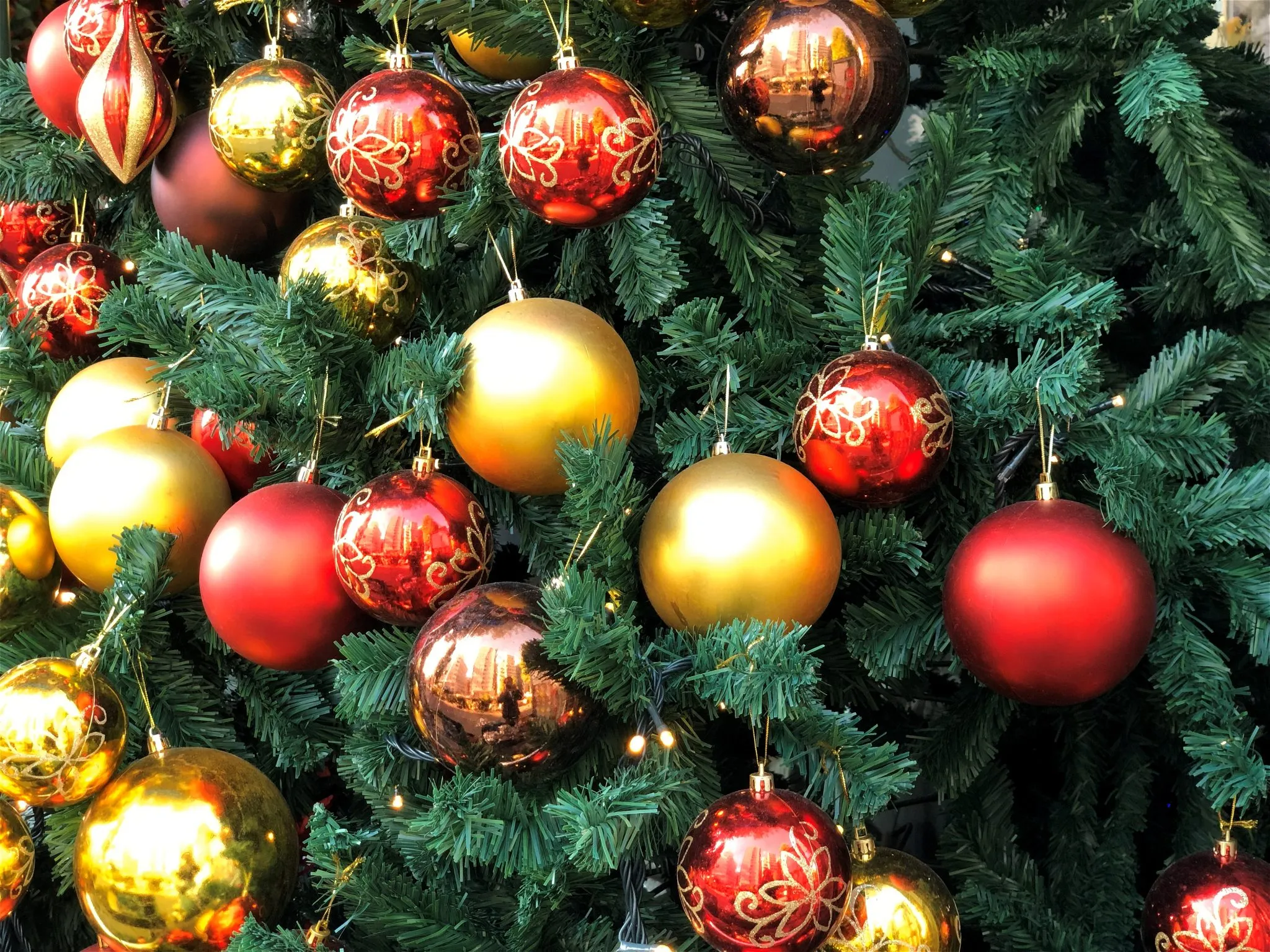
- Secure the tree. Anchor it to a wall or ceiling hook so a climbing cat or excited dog can’t pull it over.
- Cover the tree water. It can contain fertilizers, preservatives and bacteria. Pine needles can also irritate the stomach if eaten.
- Skip tinsel in cat homes. Tinsel, ribbon and string can cause serious intestinal blockages if swallowed.
- Hang breakable and edible ornaments high. Glass can cut paws and mouths, and homemade salt dough ornaments can cause salt poisoning.
- Manage cords and lights. Tuck wires behind furniture or into cord covers, and unplug lights when you’re out. Chewing live wires can cause burns.
- Watch the candles. Never leave a lit candle unattended where a tail can swish or a cat can jump. Liquid potpourri can burn a cat’s mouth and skin.
- Store batteries safely. Button and coin batteries in toys and gadgets can cause severe burns if swallowed.
- Check snow globes. Some older or imported ones contain antifreeze, which is highly toxic.
Guests, noise and routine
A busy house can overwhelm even confident pets.
- Set up a quiet room with a bed, water, a litter box for cats and a long-lasting chew or puzzle for dogs. Let pets retreat whenever they want, and ask guests, especially children, to leave them be there.
- Watch the front door. Comings and goings are prime time for escapes. Check that ID tags and microchip details are current before the season starts.
- Keep routines steady. Feed, walk and play at the usual times as much as possible.
- Plan for fireworks. If your pet is noise-sensitive, walk dogs before dark, close curtains, play background music, and talk to your vet well ahead of time about whether anti-anxiety medication could help.
- Medications and handbags. Ask overnight guests to keep medicines, gum and snacks zipped away and off the floor.
Winter hazards
- Antifreeze tastes sweet and is extremely toxic, even in small amounts. Clean up spills immediately and store containers securely.
- De-icing salt can irritate paws and upset stomachs if licked. Wipe your dog’s paws after walks on treated sidewalks.
- Cold weather. Short-coated, small and senior dogs may need a coat, and outdoor cats need a warm shelter. Knock on the car hood before starting the engine on cold mornings, as cats sometimes shelter there.
Have an emergency plan
Before the holidays start:
- Save your regular vet’s number and holiday hours, plus your nearest 24-hour emergency clinic.
- Save the number for an animal poison control service, such as the ASPCA Animal Poison Control Centre or Pet Poison Helpline (a fee may apply).
- Know your pet’s approximate weight.
When to call the vet
Call immediately if your pet eats anything toxic from the lists above, even if they seem fine, since signs can be delayed. Don’t induce vomiting unless a vet tells you to.
Also seek prompt care for repeated vomiting or diarrhoea, a painful or swollen belly, straining to poop, weakness or wobbliness, tremors or seizures, or a cat who stops eating or isn’t using the litter box. Any suspected lily exposure in a cat is an emergency.
Questions people ask
Poinsettias are mildly irritating rather than highly toxic. Chewing them can cause drooling, mouth irritation or vomiting. Lilies are far more dangerous, especially for cats.
A small piece of plain, boneless, skinless white meat is fine for most dogs. Skip the skin, fat, gravy, stuffing and bones, which can cause pancreatitis, blockages or poisoning.
Cats love to play with and swallow string-like objects. Tinsel, ribbon and string can bunch up in the intestines and cause a serious blockage that often needs surgery.
Call your vet, an emergency clinic, or an animal poison control service such as the ASPCA Animal Poison Control Centre right away. Don't make your pet vomit unless a professional tells you to.
Keep reading
Itchy Dog? 8 Common Skin Allergies and Look-Alike Problems
Fleas, pollen, food and the infections that follow all cause scratching. Here's how to spot the likely culprit, what helps at home, and when your vet needs to step in.
5 min read
Early Signs of Arthritis in Dogs: 10 Changes Worth Noticing
Arthritis rarely starts with a limp. Here are the quiet early signs, how to document them for your vet, and the simple home changes that help right away.
4 min read
How to Tell if Your Cat Is in Pain
Cats are experts at hiding discomfort. Learn the subtle signs in behaviour, posture and facial expression, and what to do when something seems off.
4 min read