
'%20d='m0%200%2016%2011h61%2061%2061%2061%2060L47%2037h61%2061%2060%2061L16%2063h61%2061%2061%2061%2060L47%2089h61%2061%2060%2061L16%20115h61%2061%2061%2061%2060L47%20141h61%2061%2060%2061L16%20166h61%2061%2061%2061%2060L47%20192h61%2061%2060%2061L16%20218h61%2061%2061%2061%2060z'/%3e%3c/svg%3e)



20 Human Foods Dogs Can Eat (and How to Serve Them)
From cooked chicken to frozen blueberries, here are the people foods that are safe for most dogs, how to prepare them, and how much is enough.
This article is general information, not veterinary advice. If your pet seems unwell or you are worried, call your vet.
Plenty of what’s in your fridge is perfectly safe to share with your dog, as long as it’s prepared simply and served in sensible amounts. Plain cooked meat, a handful of blueberries or a spoonful of pumpkin can make meals more interesting, stretch a training session or help a dog who’s off their food.
The catch is preparation. Most “people food” problems come from what we add (butter, salt, onion, garlic, sweeteners) rather than the food itself. If your dog has pancreatitis, kidney disease, diabetes or food allergies, ask your vet before adding anything new.
Proteins
| Food | How to serve | Portion idea |
|---|---|---|
| 1. Chicken | Boiled or baked, skinless, boneless, unseasoned, shredded | About 1 tbsp per 10 lb of body weight as a topper |
| 2. Turkey | Plain roasted or boiled meat; no skin, gravy or deli slices | Same as chicken |
| 3. Eggs | Fully cooked, scrambled or hard-boiled with no butter, oil or salt | Half an egg for small dogs, one for medium and large dogs, once or twice a week |
| 4. Salmon | Cooked through, boneless, flaked | 1–2 tbsp for small dogs, up to ¼ cup for large dogs |
| 5. Sardines | Canned in water with no added salt | Half to one sardine for small dogs, one or two for large dogs, once or twice a week |
Never feed raw or undercooked salmon or trout. Fish from Pacific Northwest waters can carry a parasite that causes salmon poisoning disease, which can be fatal to dogs. Smoked salmon is too salty.
Dairy and spreads
| Food | How to serve | Portion idea |
|---|---|---|
| 6. Plain yogurt or kefir | Unsweetened, unflavored; spoon over food or freeze in a toy | 1 tsp (small) to 2 tbsp (large) |
| 7. Cottage cheese | Low-fat and plain | 1 tsp (small) to 2 tbsp (large) |
| 8. Peanut butter | Unsalted, xylitol-free; a thin smear in a toy or on a lick mat | ¼–½ tsp (small), 1 tsp (medium), 2 tsp (large) |
Dairy is a matter of tolerance. Some dogs handle it well, others get gas or loose stools. Start small. For peanut butter, read every label, every time: xylitol (also called birch sugar) causes a dangerous drop in blood sugar in dogs.
Vegetables
| Food | How to serve | Portion idea |
|---|---|---|
| 9. Pumpkin purée | 100% pumpkin, not pie filling | About 1 tsp per 10 lb of body weight |
| 10. Sweet potato | Steamed or baked, plain, mashed or cubed | 1–2 tbsp (small) to ¼ cup (large) |
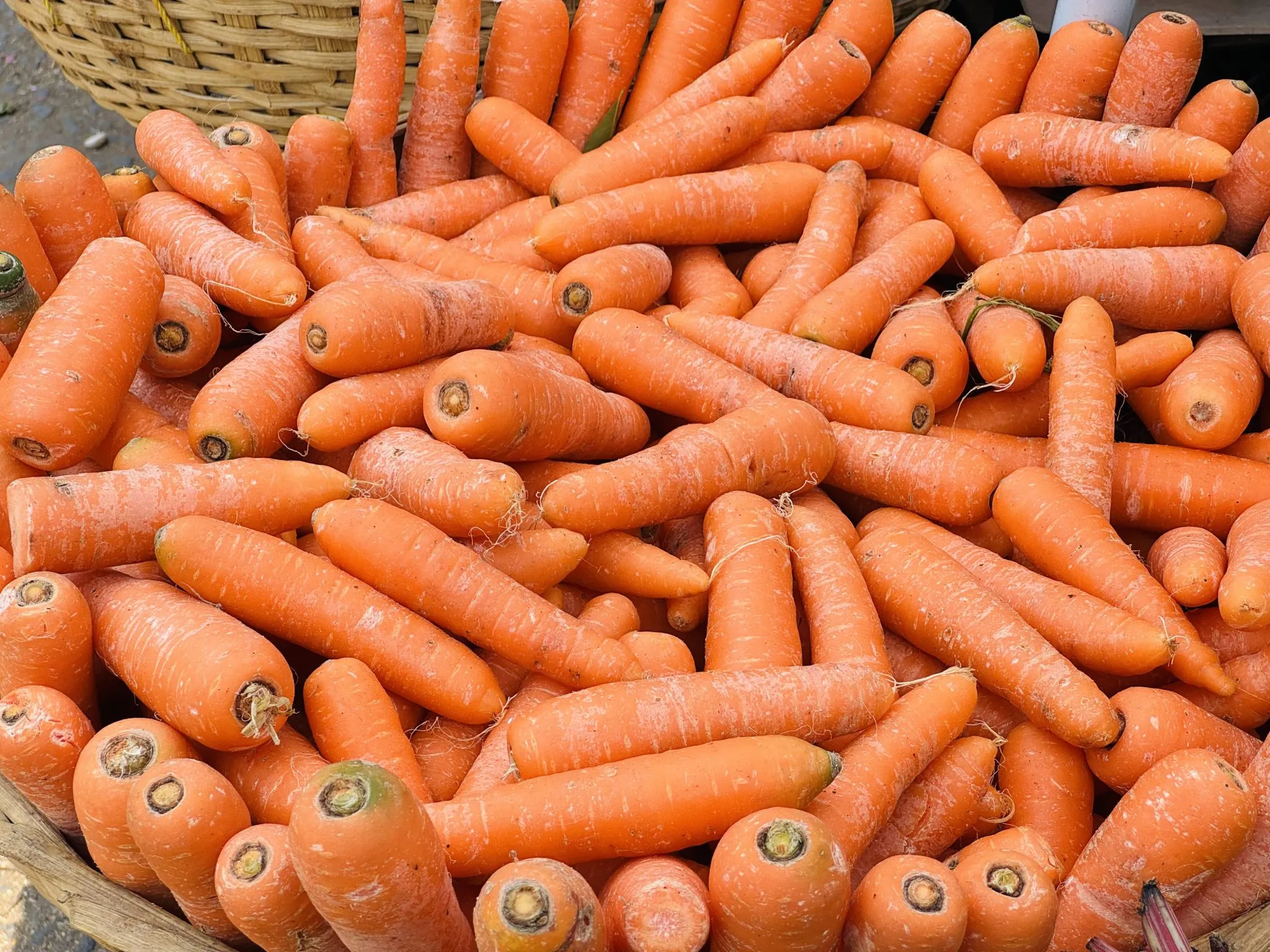
| 11. Carrots | Raw sticks or coins, or cooked for older teeth | A few pieces |
| 12. Green beans | Raw or steamed, no salt or butter; canned only if “no salt added” | A small handful |
| 13. Cucumber and zucchini | Thin slices or half-moons, never pickled | A few slices |
Vegetables are a smart swap for higher-calorie treats if your dog needs to lose weight. Cut anything firm into pieces smaller than your dog’s throat, and supervise dogs who gulp.
Fruit
| Food | How to serve | Portion idea |
|---|---|---|
| 14. Blueberries | Fresh or frozen | 3–5 (small) to 10 (large) |
| 15. Apples | Thin slices with the core, stem and seeds removed | A few slices |
| 16. Bananas | Slices, or mashed on a lick mat | 1–2 slices (small) to a quarter or half banana (large) |
| 17. Watermelon | Seedless cubes, rind removed | A few cubes |
Fruit is higher in sugar than vegetables, so keep it occasional. Always remove pits, cores and large seeds, which are choking and blockage hazards.
Grains
| Food | How to serve | Portion idea |
|---|---|---|
| 18. White rice | Plain, cooked in water | 1–2 tbsp (small) to ¼ cup (large) |
| 19. Oatmeal | Plain oats cooked in water, cooled | 1–2 tbsp (small) to ¼ cup (large) |
| 20. Quinoa | Rinsed well, cooked plain | 1–2 tbsp (small) to ¼ cup (large) |
Plain chicken and rice is a classic short-term bland diet after a stomach upset, but use it on your vet’s advice and only for a few days, since it isn’t nutritionally complete. Ask your vet before feeding starchy extras to a diabetic dog.
Serving size cheat sheet
As a rough topper guide per meal:
- Small dogs (up to 20 lb / 9 kg): 1 tsp to 1 tbsp
- Medium dogs (21–50 lb / 10–23 kg): 1–2 tbsp
- Large dogs (51–90 lb / 23–41 kg): 2–4 tbsp
- Giant dogs (over 90 lb / 41 kg): ¼–½ cup
Go smaller for rich foods like peanut butter and cheese, and a little larger for watery vegetables. Whatever you add, keep total treats under about 10% of daily calories, and trim meal portions slightly if you share often.
How to add people food safely
- Start tiny. Offer a bite and watch for 24 hours.
- One new food at a time, so any reaction is easy to trace.
- Keep it plain. No salt, sugar, butter, oil, sauces, onion or garlic.
- Watch the aftermath. Gas, loose stools, itching or ear gunk can mean a food doesn’t agree with your dog.
Common mistakes to avoid
These foods are often confused with safe ones, or sneak in through leftovers:
- Xylitol, in sugar-free gum, sweets, baked goods and some nut butters
- Onions, garlic, leeks and chives, including powders in stock, gravy and seasoning
- Grapes, raisins, currants and sultanas
- Chocolate and cocoa
- Macadamia nuts
- Alcohol and raw yeast dough
- Cooked bones, which can splinter
- Fatty scraps such as turkey skin, bacon and drippings, which can trigger pancreatitis
When to call the vet
Call your vet, or an animal poison control service such as the ASPCA Animal Poison Control Center, right away if your dog eats something from the list above. Don’t wait for symptoms.
After a new food, contact your vet if vomiting or diarrhea lasts more than 24 hours, your dog stops eating, seems painful in the belly or unusually tired. Facial swelling, hives or trouble breathing need emergency care.
Questions people ask
Plain peanut butter is safe in small amounts, but always read the label. Some brands contain xylitol, sometimes listed as birch sugar, which is extremely dangerous to dogs.
Most dogs can have a small piece of plain, low-fat cheese or cottage cheese as a treat. It's high in fat and lactose, so skip it for dogs with sensitive stomachs or a history of pancreatitis.
Crunchy carrots are a healthy, low-calorie snack, but they don't replace tooth brushing or professional dental care. Cut them into sticks or coins to reduce choking risk.
Treats of all kinds, people food included, should stay under about 10% of your dog's daily calories. The rest should come from a complete and balanced dog food.
Keep reading
10 Toxic Human Foods Dogs Should Never Eat
The everyday foods that can seriously harm a dog, the warning signs to watch for, and exactly what to do if your dog gets into one.
5 min read
10 Human Foods Cats Can Eat Safely (and How Much to Offer)
A short list of plain, cat-safe people foods, with serving tips and tiny portions, plus the foods that should never land in your cat's bowl.
5 min read
Itchy Dog? 8 Common Skin Allergies and Look-Alike Problems
Fleas, pollen, food and the infections that follow all cause scratching. Here's how to spot the likely culprit, what helps at home, and when your vet needs to step in.
5 min read