

'%20d='m0%200%2016%2011h61%2061%2061%2061%2060L47%2037h61%2061%2060%2061L16%2063h61%2061%2061%2061%2060L47%2089h61%2061%2060%2061L16%20115h61%2061%2061%2061%2060L47%20141h61%2061%2060%2061L16%20166h61%2061%2061%2061%2060L47%20192h61%2061%2060%2061L16%20218h61%2061%2061%2061%2060z'/%3e%3c/svg%3e)



How to Create a Catio: Planning Tips and Must-Haves
A secure outdoor enclosure gives indoor cats sunshine, fresh air and bird-watching without the risks of roaming. What to build, which materials to use and how to make it safe.
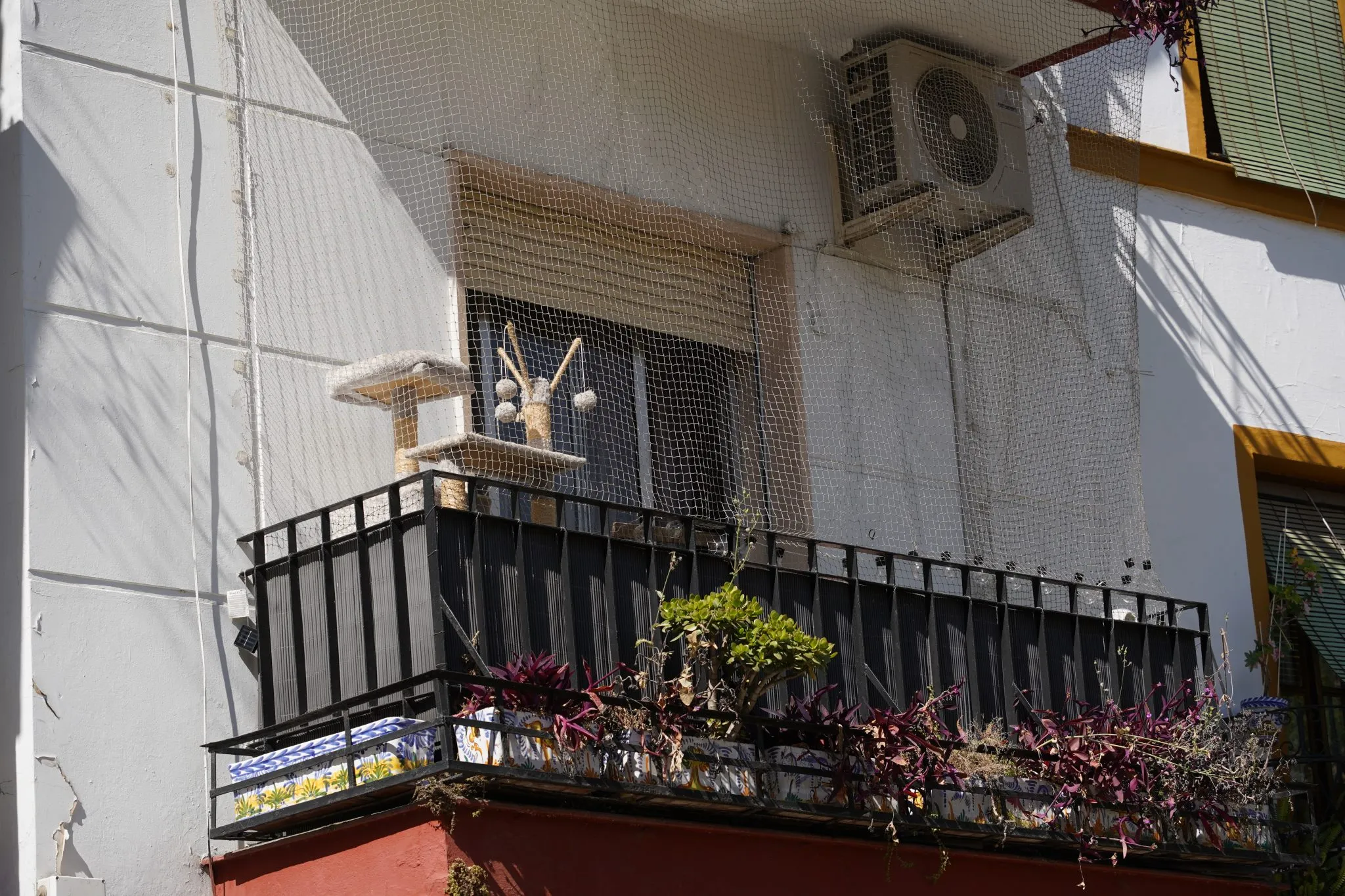
A catio, short for “cat patio,” is a fully enclosed outdoor space for your cat. It offers the good parts of the outdoors, such as sunbeams, breezes, smells and endless bird-watching, without traffic, fights, predators or the risk of your cat getting lost.
A catio only works if your cat feels safe in it. Plan for shade, security and choice, supervise the first several sessions, and keep your cat’s microchip and ID current just in case.
Start with purpose and place
Ask what you want the catio to do. A sunny lounging spot needs far less space than a full play area for three young cats.
Then look at your site:
- Location: a window, balcony, patio or open corner of the yard
- Sun and weather: track where the sun falls through the day, and where wind and rain come from
- Rules: check your lease, HOA or local building rules before you start
- Hazards: note sprinklers, utility lines, vents and nearby trees that could let a cat climb out or a predator climb in
Choose a catio type
| Type | Best for | Notes |
|---|---|---|
| Window box | Small spaces, first catios | Attaches to a window; small footprint |
| Balcony enclosure | Apartments | Netting or panels enclose the whole balcony, including gaps under and around railings |
| Patio add-on | Houses with a door or window to the yard | Attached framed enclosure |
| Freestanding run | Yards | Separate structure with a roof, often linked to the house by a tunnel |
| Modular panels | Renters and movers | Prebuilt sections that assemble quickly and can be relocated |
Layout: think vertical
Height matters more than floor area. Aim for at least three levels of shelves or perches, and design so cats can move in a loop rather than getting stuck at a dead end. That’s especially important when more than one cat shares the space.
Create separate zones: a quiet, shaded perch for resting, and an open area for play and scratching. Make the human door wide enough for you to step in to clean and make repairs.
Materials that last
- Frame: naturally weather-resistant wood such as cedar, exterior-grade wood sealed with a pet-safe finish, or powder-coated metal.
- Mesh: welded wire or hardware cloth, roughly 14 to 19 gauge, with openings around 1 inch by 1 inch or 1/2 inch by 1 inch. Avoid flimsy chicken wire, which can be pushed out or bent by predators.
- Roof: solid panels such as polycarbonate or corrugated roofing over at least part of the space, for rain protection and shade, with mesh elsewhere.
- Floor: decking, sealed wood or pavers with drainage gaps. On balconies, block every gap at floor level and between railings.
- Fasteners: exterior-grade screws and staples with washers. Make sure no sharp ends poke into the cat area.
- Finishes: let any paint or sealant cure fully before your cat uses the space.
Escape-proofing and predator safety
- Always include a roof. Cats climb, and an open top is an invitation.
- Attach mesh to the outside of the frame, so a cat pushing from inside presses it against the wood rather than popping the staples.
- Add solid kick plates around the base so paws can’t reach out and small animals can’t reach in.
- Use secure latches on the door, ideally self-closing, and lock them if raccoons or coyotes live nearby.
- For ground-level runs, bury an L-shaped wire skirt or lay pavers around the perimeter to stop digging.
Comfort in every season
- Shade first. A solid roof section plus a shade cloth or screen on the sunniest side.
- A windbreak. One solid wall helps on breezy sites.
- Summer: a cooling mat, plenty of shade and fresh water in a heavy, tip-proof bowl.
- Winter: an insulated hideaway; any heated pad must be rated for outdoor use, with the cord protected from chewing.
Inside the catio: must-haves
- Perches at different heights, with at least one in the sun and one in the shade
- Ramps and steps with a grippy surface, such as outdoor carpet or rubber strips
- Scratching options, both a vertical post and a horizontal pad
- A hideout, like a covered box, tunnel or an open carrier
- Water, always
- A litter box in a covered corner if your cat will spend long stretches outside
If you add a bird feeder for entertainment, place it well away from the enclosure so birds can feed without feeling threatened.
Plants: safe versus skip
| Generally cat-safe | Skip (toxic to cats) |
|---|---|
| Cat grass (oat, wheat or barley) | Lilies, including all parts and pollen |
| Catnip and silver vine | Sago palm |
| Spider plant | Pothos and philodendron |
| True bamboo | Oleander, foxglove and azalea |
Use heavy pots or secure them so they can’t tip, and keep fertilizers, slug pellets and pest-control products well away from the catio.
Budget and time savers
- Start with a window box and expand later.
- Convert an existing pergola or covered porch by adding mesh and roof panels.
- Buy wire mesh in rolls from a hardware or fencing supplier and cut to size.
- Use decking offcuts for shelves and ramps, with edges sanded smooth.
Introducing your cat
- Keep the first visits to 5 to 10 minutes, with high-value treats, and end while your cat is still relaxed.
- Toss treats along shelves to encourage exploring.
- Add a familiar blanket or bed so the space smells like home.
- If your cat hesitates, leave the door open and feed a meal just inside it.
Maintenance
- Weekly: sweep out debris and hair, wipe shelves, and refresh water.
- Monthly: check mesh, latches and screws, and look for rust, splinters or gaps.
- Seasonally: adjust shade, deep-clean the litter area, and check for wasp nests or digging.
Safety check before the first use
- No sharp wire ends or protruding screws inside.
- Door latches close securely and can be locked.
- Roof secure, with no gaps at corners or around pipes and downspouts.
- Every plant checked against a cat toxic-plant list.
Built well, a catio becomes your cat’s favourite room in the house, just with better views.
Questions people ask
There's no fixed minimum. Even a window box catio can be enriching. What matters most is usable height, with shelves at several levels, plus a shady spot and a hideout. For multiple cats, add more space and more perches so no one feels crowded.
Often, yes, using freestanding modular panels or tension-mounted netting systems that don't require drilling. Check your lease and building rules first, and make sure netting is designed for cats, not birds.
Only if it has shade, fresh water, shelter from wind and rain, and a hideout, and the weather is mild. Many owners limit catio time to when they're home, and always bring cats in during extreme heat, cold or storms.
Lilies are the most serious risk: all parts, including pollen and vase water, can cause kidney failure in cats. Also avoid sago palm, pothos, philodendron, oleander, foxglove and azalea, and check any plant against a toxic-plant list before adding it.
Keep reading
Designing a Cat-Friendly Home: Vertical Space and Hiding Spots
Cats feel safest when they can climb, perch and tuck away. How to plan perches, routes and hideouts that work in apartments, houses and multi-cat homes.
4 min read

How to Celebrate Your Dog's Birthday: Fun, Safe Ideas
From a low-key sniff adventure to a small party with dog friends, here's how to plan a birthday or gotcha day your dog will actually enjoy, plus a simple pupcake recipe.
4 min read

Holiday Gift Ideas for Dogs: What to Give Every Kind of Pup
Skip the toy that's shredded by lunchtime. These gift ideas are matched to how your dog actually likes to spend their day, with a few safety notes for the season.
4 min read